HardiePlank Lap Siding: ...
- Mon to Fri: 09:00 am to 07:00 pm
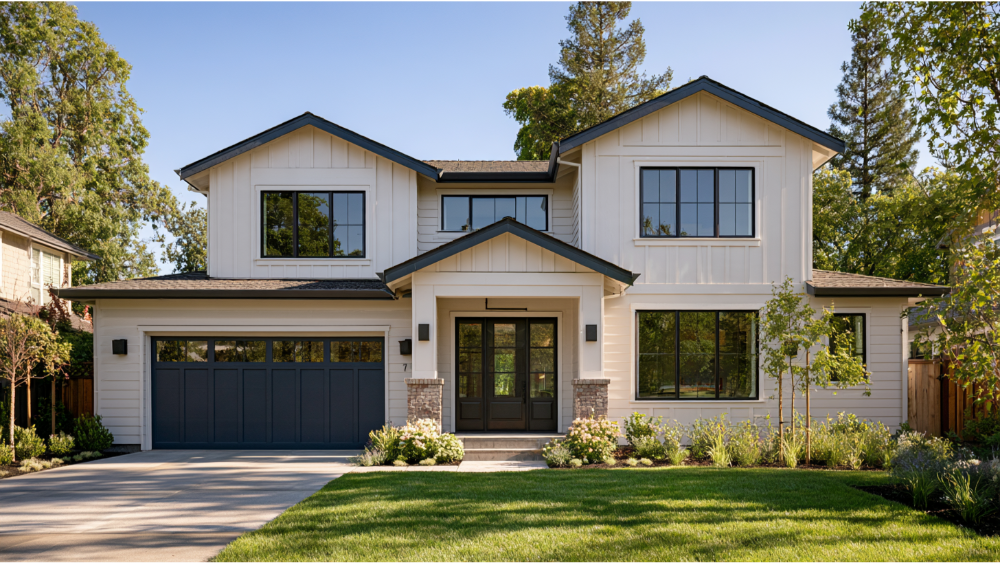
Key Takeaway
Energy efficient windows combine a low U-factor, a climate-appropriate SHGC, low-E glass, multi-pane insulated glass units, and insulating frames into a whole-window NFRC rating. The Department of Energy links windows to roughly 25% to 30% of residential heating and cooling energy use. Replacing single-pane units with ENERGY STAR certified windows can cut household energy bills by up to 13% on average. Proper installation with correct flashing and air sealing is essential to actually achieve those rated savings.
Energy efficient windows are complete assemblies rated for your climate: a low U factor, a solar heat gain coefficient (SHGC) suited to where you live, low air leakage, and features like low E glass, multiple panes, insulating gas fills, and insulated frames. Rated performance only reaches your home with proper installation, when the opening is flashed, sealed, and set correctly. Windows are tied to roughly 25% to 30% of a home’s energy use for heating and cooling, so the choice matters. This guide is for homeowners weighing window replacement who want to compare estimates with real confidence.
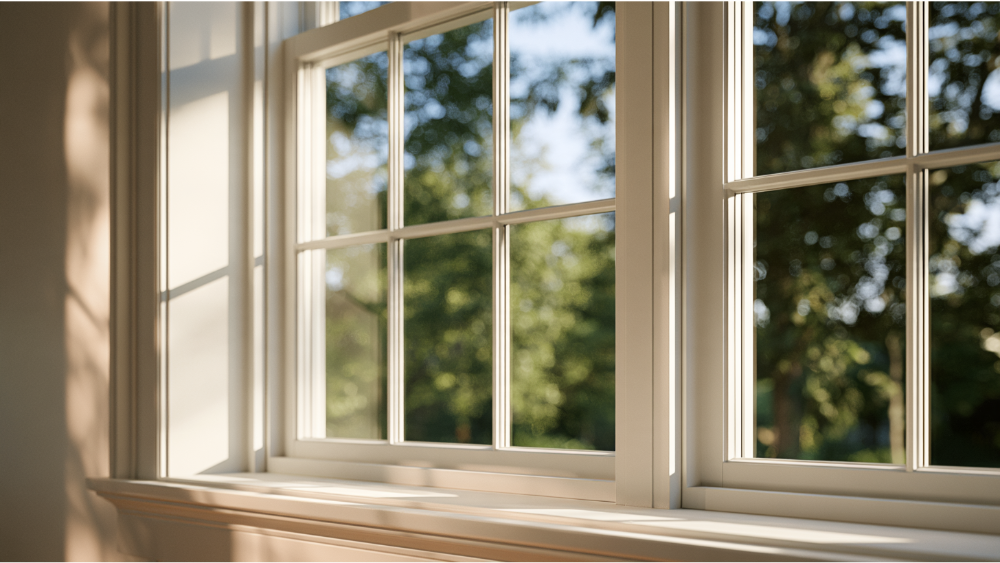
Two things decide what you get. Rated product performance is what the label measures in a lab. Installed performance is what your home experiences once the windows are in the wall.
No single feature proves a window is energy efficient. Pane count doesn’t. Argon fill doesn’t. Frame material doesn’t. The whole window rating settles the question, and careful installation keeps that efficiency from leaking away at the edges.
The Department of Energy attributes about 25% to 30% of residential heating and cooling energy use to heat gained and lost through windows. Heat transfer runs both directions, heat loss out in winter and solar heat in during summer. That’s the share of demand windows influence, not a guaranteed cut to your bills.
You feel it before you see it on a statement. Drafts. Cold spots along the glass in January. A west-facing room that’s unusable by four in the afternoon. Condensation that can feed moisture problems over time. Windows also shape how your home reads from the street, so the right choice balances protection and curb appeal instead of trading one for the other.
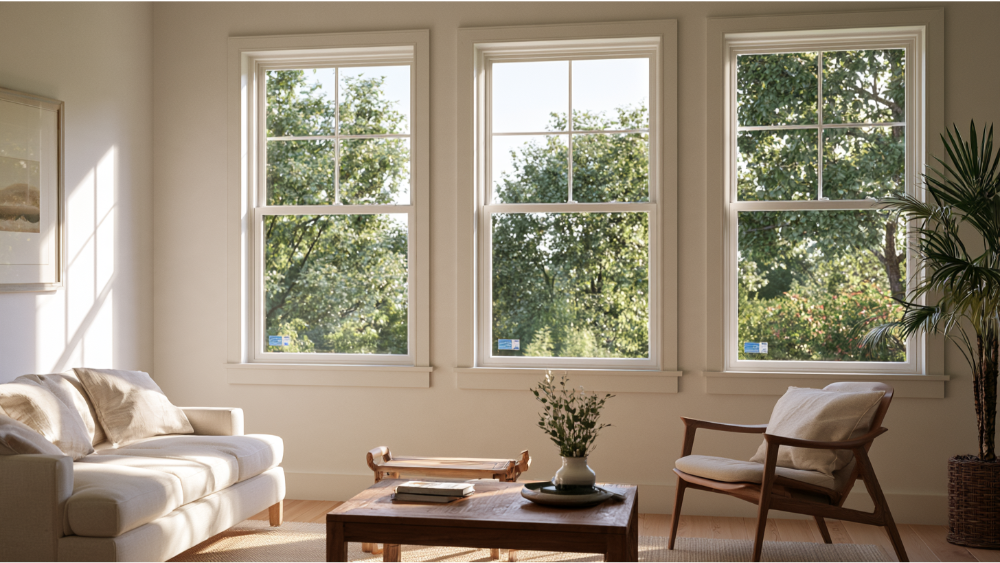
These two labels do different jobs, and many homeowners blur them together.
The National Fenestration Rating Council (NFRC) runs the independent window energy rating system. Its label gives standardized numbers for specific windows, tested the same way across every manufacturer, so you can compare them fairly.
ENERGY STAR is a qualification program built on those numbers. It sets pass/fail thresholds by climate zone and certifies the windows that meet them.
Here’s the nuance most guides skip: certification means a product qualifies for your zone, not that it’s the ideal glass package for every opening. What suits shaded north facing windows may be wrong for a west-facing bedroom in the same house.
Five ratings appear on the label. Learn them and you can read any window estimate critically.
NFRC rates the complete window: glass, frame, sash, spacers, and the edge conditions where heat escapes fastest. A center of glass figure measures only the middle of the pane, so it always looks better.
That’s where two estimates stop being comparable. One contractor quotes a whole window U factor of 0.28, another quotes 0.24 off a glass spec sheet, and the better-looking number may be the weaker window. Ask both to confirm in writing that the figures are NFRC whole window ratings for the exact configuration proposed.
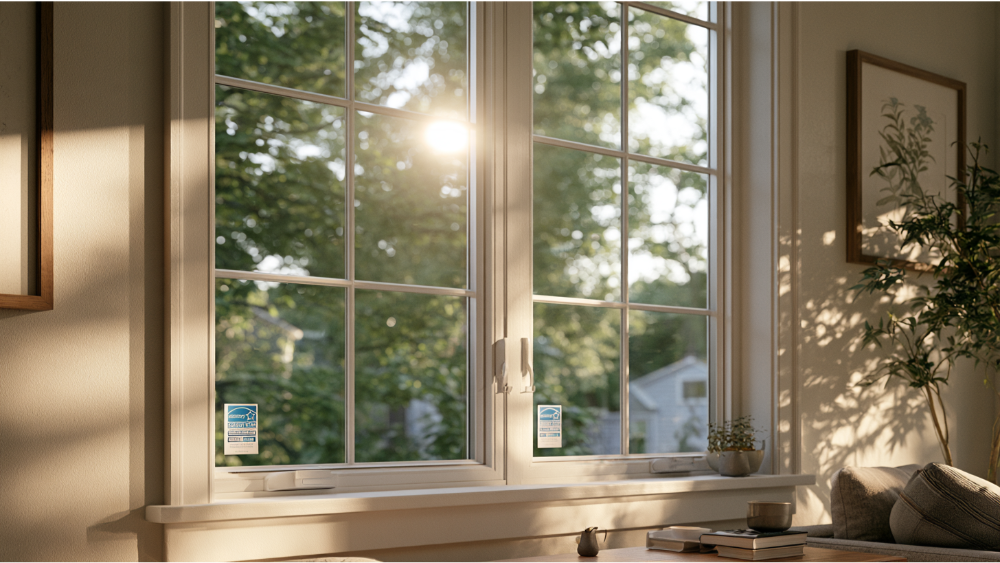
ENERGY STAR Version 7.0 took effect October 23, 2023, and remains the current residential specification.
| Climate zone | Maximum U factor | SHGC requirement |
|---|---|---|
| Northern | 0.22 | 0.17 or higher |
| North-Central | 0.25 | 0.40 or lower |
| South-Central | 0.28 | 0.23 or lower |
| Southern | 0.32 | 0.23 or lower |
The Northern zone also allows equivalent-performance pathways with a slightly higher U factor paired with higher solar gain. In plain terms, colder climates prioritize the lowest U factor, and more solar gain there is a benefit. Hot climates prioritize a low solar heat gain coefficient (SHGC). Mixed climates balance both, because different regions ask different things of a window.
Orientation matters within one home. East- and west-facing openings take direct low-angle sun and often benefit from a lower SHGC. Well-shaded south-facing glass in a heating climate may justify more solar gain. There’s no universal best number, and anyone who gives you one is skipping the part that matters.
Low E (low emissivity) coatings are microscopically thin metallic layers on the glass. They reflect infrared heat while letting visible light through, so rooms stay bright. A good coating adds insulating value roughly comparable to an additional layer of glass. Low E windows deliver most of the energy savings homeowners notice after an upgrade.
Other components that contribute:
Each one helps. None decides the outcome alone. Let the whole window numbers for the exact glass type and frame in front of you settle it.
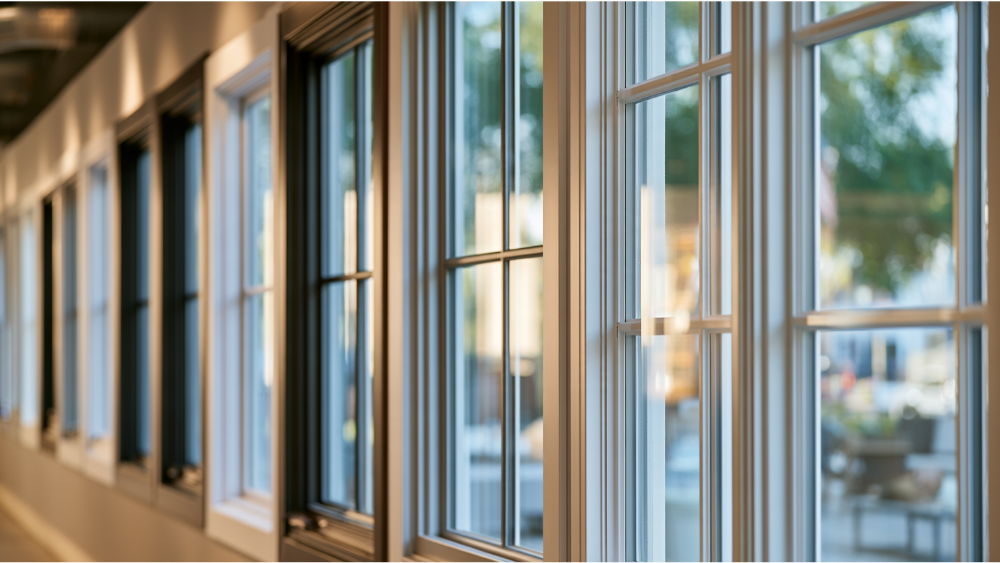
Well-engineered double pane windows with a quality low E coating and argon fill can outperform poorly built triple pane units. Pane count is an input, not a result.
Triple pane earns its place in colder climates, on large expanses of glass, and in rooms where road noise is a real problem, since the extra pane can significantly reduce what you hear. It also adds weight and cost. Compare the rated numbers for the two specific windows in front of you, not the category.
Vinyl frames insulate well and ask little in maintenance. Fiberglass and composite are dimensionally stable and perform strongly. Wood insulates well and suits traditional homes, with more upkeep. Metal conducts heat readily, so high-performance metal windows use a thermal break to interrupt that path.
Operating style affects air leakage. Casement and awning sashes compress against the frame when you crank them shut, which generally means lower leakage and fewer drafts than single-hung, double-hung, or sliding units. Generally, not always, so confirm it with the air leakage number. Pick a style and finish that suits your home’s architecture too.
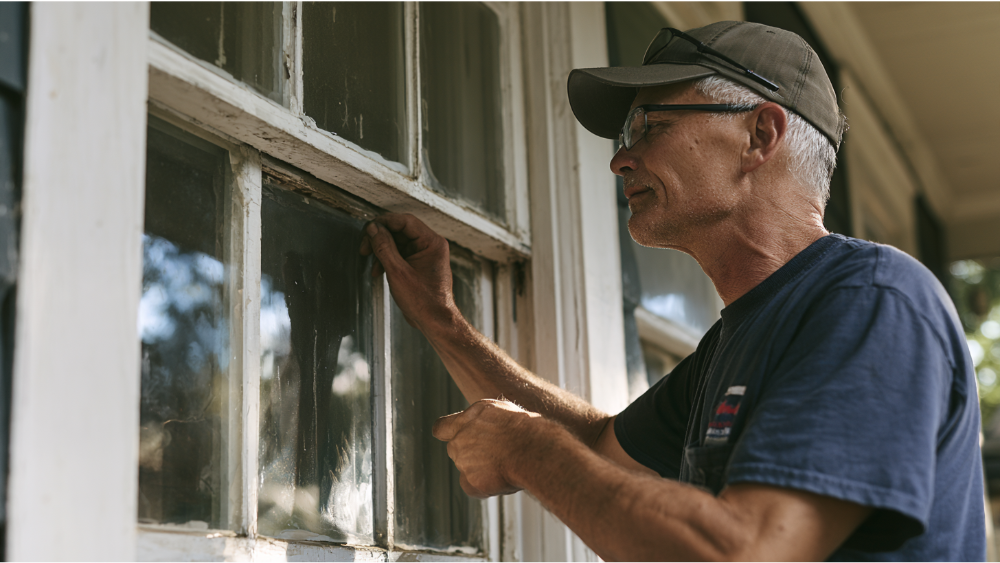
Not every efficiency problem calls for replacement.
We’d rather tell you what your home actually needs than sell you a project it doesn’t. That honesty is the relationship we’re after.
A window has to be properly installed to save energy. Excellent ratings installed badly are an expensive draft.
Insert vs. full frame. An insert sets a new unit into the existing frame, which works when that frame is sound and square. Full-frame replacement goes down to the rough opening and is the right call with rot, water damage, or a frame that was never right.
Water management. Sill, jamb, and head flashing have to integrate with the wall’s drainage plane so water behind the siding keeps moving down and out.
Air sealing. The gap at the rough opening gets backer rod with sealant or low-expansion window foam. Fiberglass stuffed in that gap is not an air barrier, and treating it like one quietly erases the efficiency you paid for.
Set level, plumb, and square, following the manufacturer’s instructions. Warranties depend on it.
This is why we take the time the job requires rather than racing through it. Pro Superior Construction is a family-owned, fully licensed and insured contractor, CSLB License #986607, with 10+ years of siding and window work since 2013.
Paid window replacement in pre-1978 housing falls under the Environmental Protection Agency’s Renovation, Repair and Painting Rule unless the components have been determined lead-free. Window work is covered regardless of the square-foot thresholds that apply to smaller repairs. Ask any contractor how they handle it.

ENERGY STAR reports that replacing single pane windows with certified units lowers household energy bills by up to 13% on average nationwide. Those savings estimates describe a swap from old windows that leak, not an upgrade from sound modern double pane units.
Your actual savings depend on climate, local energy costs, how much glass your home has, shading, and the rest of the building envelope. Some of the best reasons to do this go beyond just lower energy bills: steadier temperatures room to room, less condensation, a quieter interior, and a lift in curb appeal.
Cost moves with the number and size of openings, frame material, glass package, and how much finish work the job takes. That’s a conversation for your estimate, not a number we’d throw at you online.
The federal Energy Efficient Home Improvement Credit under Section 25C does not apply to windows placed in service after December 31, 2025. Plenty of pages still describe the old 30% credit as active, so check the date on anything you read.
State, Tribal, territorial, and utility programs vary widely. Many utilities offer rebates that help you save money up front, so look up current programs for your location before you buy.
If you’re weighing home improvement loans or other ways to spread the cost, financing options are available through Pro Superior Construction, and we’ll walk you through them during your estimate.

Ask us all of these. We welcome them, and a contractor who can’t answer them clearly is telling you something.
Which windows are the most energy efficient?
Casement and awning units often post the lowest air leakage because the sash compresses against the frame. Still, the whole window NFRC ratings decide it, not the operating style.
Is there a tax credit for energy efficient windows in 2026?
No. Section 25C does not cover property placed in service after December 31, 2025. State, Tribal, territorial, and utility rebates may still help.
Which brand makes the most energy efficient windows?
No brand wins across the board. Efficiency varies by product line and glass package. We install Milgard, Andersen, Anlin, Alside, Amsco, Lindsay, Plygem, Marvin, and Pella windows and compare the ratings side by side.
Do energy efficient windows really make a difference?
Yes, most noticeably when you’re replacing single pane or failed units, where ENERGY STAR cites up to 13% in savings. You’ll also feel steadier temperatures.
We’re a family-owned, fully licensed and insured contractor (CSLB #986607) with 10+ years of window and siding work behind us since 2013. Request a free, no-obligation estimate and a contractor will inspect your home, assess the openings you have now, and help you match windows and installation methods to your climate and goals. Reach us through our contact form or call (916) 474-4483, Monday through Friday, 9 AM to 7 PM.
