Energy Efficient Windows...
- Mon to Fri: 09:00 am to 07:00 pm
Key Takeaway
A retrofit window is installed within your existing window frame, leaving surrounding trim, siding, and stucco intact while only the sash, glass, and hardware are removed. It works well when the retained frame is square, dry, and free of rot or corrosion. ENERGY STAR Version 7.0 certified retrofit windows can reduce energy bills by up to 13% compared with non-certified products, but only when installed correctly in a sound frame.
A retrofit window is a replacement window installed into or over your existing window frame, so most of the surrounding trim, siding, or stucco is left right where it is. The old sash, glass, and hardware come out. The frame stays in the wall. It only works if the frame you keep is square, dry, and free of rot.
If your search for new windows turned up the word “retrofit” with no explanation attached, you are not alone. A quick search turns up retrofit, insert, pocket, and replacement used almost interchangeably. Here is how to tell what you are actually being sold.
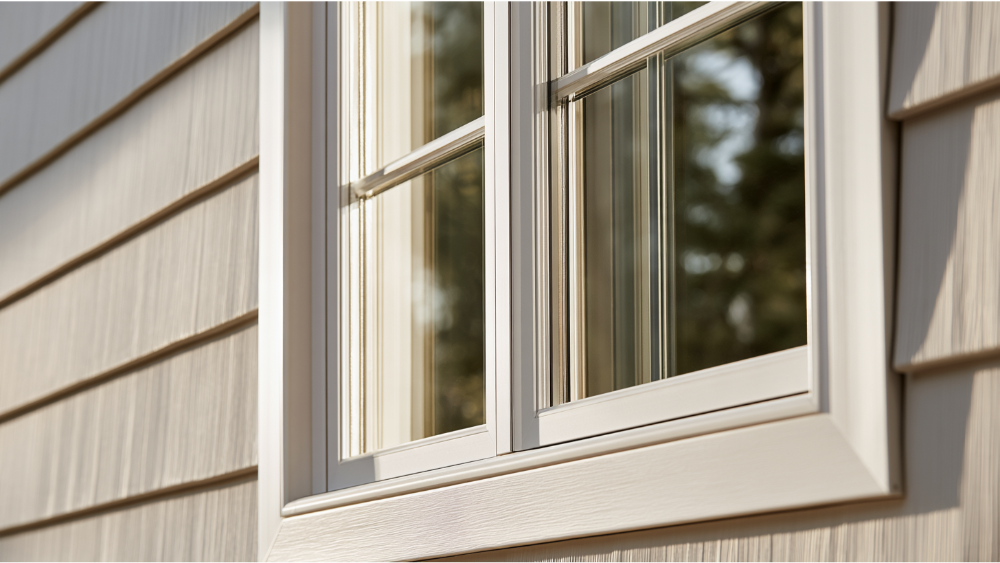
A retrofit window is a replacement unit installed within a sound existing frame rather than a fully stripped rough opening. The installer starts by removing the operating parts of the old window. The original frame is left in place, and the new unit is then set, shimmed, fastened, insulated, and sealed against it.
One condition governs everything that follows. The frame you keep has to be structurally sound: square enough for the new unit to operate, dry, with no rot or corrosion eating through old metal. Assuming that instead of verifying it is where retrofit jobs go wrong.
Retrofit is an installation method, not a grade of product. A premium window set into a compromised frame will still underperform.
The line between the two is frame retention. Retrofit keeps the existing frame. New construction units have a nailing flange that fastens to the sheathing, which means removing the old frame and cutting into the finish outside. That flange is meant for constructing a wall from scratch, not for working into a finished facade.
| Installation type | What stays in the wall | What is removed |
|---|---|---|
| Insert / pocket retrofit | Existing frame, interior and exterior trim, siding or stucco | Sash, glass, hardware |
| Flush fin / Z-bar retrofit | Existing frame plus surrounding facade | Old operable components; varies by system |
| Block frame retrofit | Existing frame or prepared opening | Sash and frame components, by condition |
| Full-frame replacement | Rough opening and wall structure | Entire window and frame |
| New construction / flanged | Rough opening exposed, finishes disturbed | Complete old assembly |
Full-frame work exposes the rough opening, so framing, sill, and flashing can be inspected before the new unit goes in. A retrofit installation does not give you that picture of the wall. What it gives you is a facade left largely intact.
A flush fin unit has an exterior flange that laps over the face of the old frame, common on stucco homes where removing stucco is something you would rather avoid. A block frame unit is finless and seats inside the opening, which suits siding or brick homes replacing old aluminum or wood windows. Vinyl windows are the most common retrofit choice, and vinyl holds a factory color well, but frame material alone tells you little about performance. The rated numbers do.
Retrofit works well when:
Replacing the whole frame is the better call when:
A contractor who recommends retrofit before inspecting the frame is guessing. Insulating and sealing the space between the new unit and the retained frame is part of making the install last, but caulk has never repaired rot or a failed drainage path.
Yes, when the product is rated correctly for your climate and installed correctly. Those are two separate things. The NFRC label reports U-factor, solar heat gain coefficient (SHGC), visible transmittance, air leakage, and condensation resistance, and NFRC states plainly that those ratings do not account for installation.
ENERGY STAR Version 7.0 took effect October 23, 2023. Its prescriptive window criteria by zone:
| Zone | Max U-factor | SHGC |
|---|---|---|
| Northern | 0.22 | At least 0.17 |
| North-Central | 0.25 | No more than 0.40 |
| South-Central | 0.28 | No more than 0.23 |
| Southern | 0.32 | No more than 0.23 |
Certified windows also cap air leakage at 0.3 cfm/ft². The Department of Energy attributes roughly 25%–30% of residential heating and cooling energy use to heat gain and loss through windows, and ENERGY STAR estimates certified products can cut bills by up to 13% compared with non-certified ones. Both are national averages, not promises about your house.
The glass package does most of the work in making a window efficient. Low-E coatings and argon-filled double or triple glazing cut heat transfer and soften road noise compared with single-pane glass. Energy efficient windows hold indoor temperatures steadier year-round, and new windows sharpen curb appeal while they are at it.

A straight reply to each of those is a good sign. A vague reply about drainage or hidden damage is worth thinking about before you sign, and a reply that skips the standards question tells you plenty.
Homes built before 1978 fall under the EPA’s Renovation, Repair and Painting Rule, and window replacement is covered with no minor-repair exemption. Keeping the existing opening does not automatically exempt your project from local permit review, so you want a specific reply there. The federal Section 25C credit does not apply to windows placed in service after December 31, 2025, so check current state, local, and utility programs instead.
What are the disadvantages of retrofit windows? You lose some visible glass area, size and style stay locked to the existing opening, and the result depends on the condition of the retained frame. Access to the original flashing is limited.
Can a retrofit window go over an old aluminum or wood frame? Yes, assuming that frame is sound, square, and dry. Flush fin and block frame units are used for exactly this. Rot or corrosion means full-frame instead.
We are a family-owned company, founded in 2013, with more than 10 years of experience and fully licensed and insured under CSLB License #986607. Our team installs and replaces windows from Milgard, Andersen, Anlin, Alside, Amsco, Lindsay, Plygem, Marvin, and Pella. The envelope fundamentals we hold to on large multifamily projects carry into every home we work on, and we are committed to doing it right rather than in a hurry.
If you are thinking about new windows, a contractor will inspect your frames and openings and tell you honestly whether retrofit or full-frame is the right call before making any commitment. Get a free estimate today using our online form, or call (916) 474-4483 and we will reply with a time that works.
