

Siding Contractors in Antelope, California
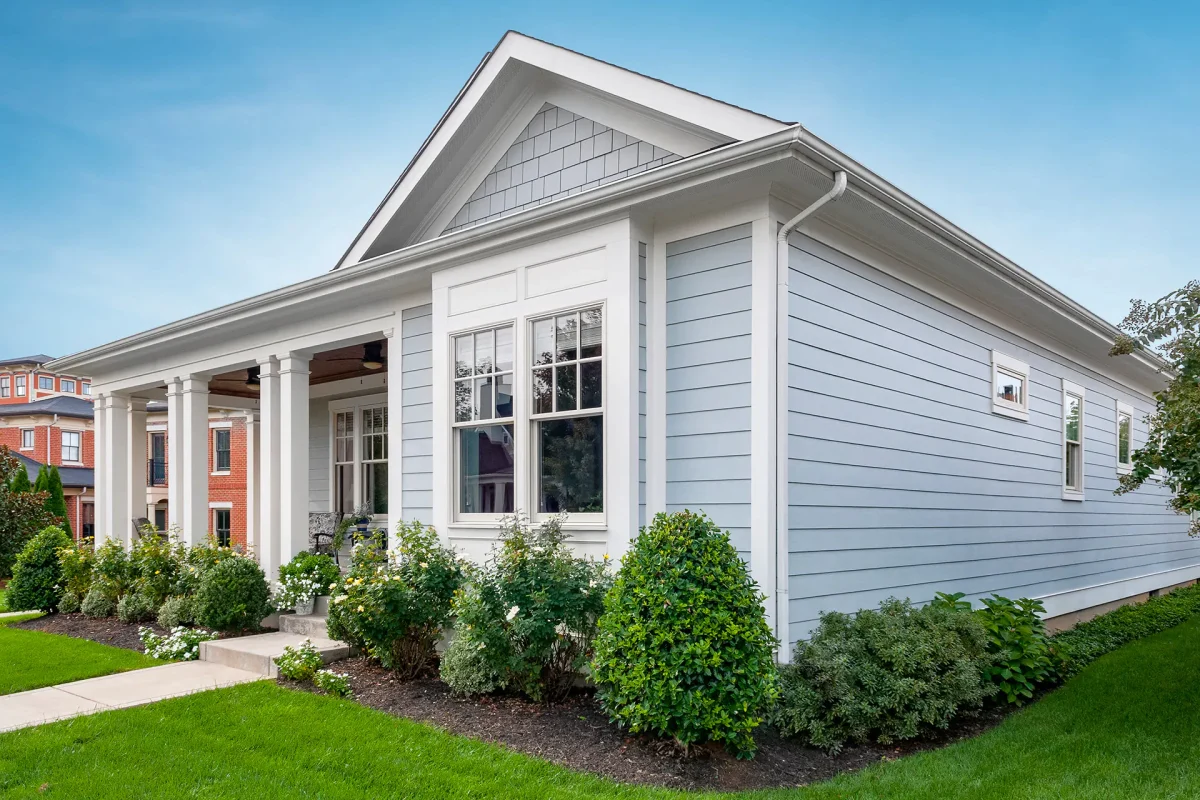
Pro Superior Construction installs, replaces, and repairs siding for homes across Antelope, backed by a manufacturer-granted credential most contractors never earn: James Hardie Elite Preferred Certification. We are fully licensed and insured under CSLB License #986607, we have been building since 2013, and our team works out of Rocklin, a short drive from Antelope. If you have been searching for siding contractors near me and want to know who to hire and why, start here. We specialize in protecting and improving your home’s exterior with premium siding and windows, and we treat every Antelope home the same way whether it needs one wall or a full re-side.
Most of Antelope’s homes were built decades ago, with a median construction year of 1993. That means aging trim, weathered paint, and moisture concerns that a careful siding contractor should inspect before quoting a single board. Peeling paint and soft, sun-faded siding are two of the most common reasons homeowners here call us, and both are often signs that water or UV damage has been working on the home’s exterior for years. We pair every job with a free, no-obligation inspection so you know exactly what your home needs before you spend anything.
In California, any home improvement project over $500 legally requires a licensed contractor, and premium manufacturers like James Hardie grant special certifications only to installers who meet their highest standards. Hiring certified, qualified siding contractors is the difference between a siding job that holds up and one you redo in a few years. Our work comes with a 10-year labor warranty on top of the manufacturer’s material coverage, and when the material is James Hardie fiber cement installed to spec, that protection can genuinely last a lifetime of ownership for most homeowners.
Get a free estimate today. Call us at (916) 474-4483 and a contractor will inspect your home and assess exactly what it needs, with no pressure to commit.
Siding Services for Antelope Homes
We offer the full range of siding services for Antelope’s single-family homes, which make up roughly 85.3% of the housing here. That means detached suburban homes with real walls, real trim, and real window penetrations to protect, not high-rise units. Whether you need one wall repaired or a complete re-side, our crews handle the entire project with the same standard. From James Hardie siding installation to vinyl siding repair and window replacement, every service we offer is aimed at the same two outcomes: lasting protection for the structure and better curb appeal from the street.
Siding installation is more than nailing boards to a wall. Proper installation includes removing the existing siding, inspecting and repairing the sheathing beneath, and correcting any weather-barrier or flashing problems before new siding goes up. Skipping those steps is how moisture ends up trapped in a wall, and it is also how peeling paint and premature failure show up a few years later on a job that looked fine on day one. We do it in the right order, every time, because the parts you cannot see are the parts that determine whether your siding lasts.
When you pick a material, pick a construction company experienced with that exact type of siding. A crew that installs fiber cement daily works it differently than one that mostly hangs vinyl siding. Fiber cement siding is heavier, cuts differently, and demands specific fastening and clearance details that James Hardie spells out in its installation standards. We install across all the major siding types and carry the James Hardie certification that proves fiber cement expertise specifically. Every siding installation also comes with the manufacturer’s material warranty, which only stays valid when the product is installed to spec, so the certification is not a marketing badge. It is the thing that keeps your warranty intact.
Each service below protects your home and improves how it looks from the street. That pairing is the point of good siding. A new home’s exterior should shrug off Sacramento’s summer sun and winter rain while making the house look years younger, and the right material and installer are what make both happen at once.
James Hardie Siding: Expert Fiber Cement Installation
James Hardie fiber cement is our flagship siding, and our Elite Preferred certification means we meet the manufacturer’s highest installation standards. Fiber cement is a dense, engineered material made from cement, sand, and cellulose fibers that resists moisture, pests, and impact while holding a clean finish for years. It will not rot the way wood can, it does not feed termites, and it holds up to the kind of impact that dents thinner materials. It is also fire resistant siding, which matters anywhere in Northern California where wildfire risk is a real consideration for homeowners, including the grassland edges and open space that border parts of the greater Sacramento area.
James Hardie siding is engineered specifically for climate zones like ours. The HZ10 product line is formulated for regions with wide temperature swings and strong sun, which describes Antelope’s hot, dry summers and cool, wet winters well. That engineering is a large part of why fiber cement siding holds its color and shape when cheaper materials cup, warp, or fade. For many Sacramento homes, our expert siding installation of a James Hardie system is the closest thing to a one-and-done exterior decision a homeowner can make.
We install the full Hardie line so your home gets the right profile and finish:
- Hardie® Plank lap siding for the classic horizontal look most Antelope streets already have, a true hardie board siding profile
- Hardie® Panel vertical siding for a cleaner, more modern face
- Hardie® Shingle siding for texture and accent walls
- Board-and-batten details using Hardie® Trim batten boards
- Hardie® Soffit panels in vented and non-vented options to finish eaves and overhangs correctly
- Hardie® Trim boards to frame windows, doors, and corners with a crisp, consistent edge
- ColorPlus® factory finishes that resist fading far better than field paint
ColorPlus Technology deserves a word of its own. Because the color is baked on at the factory under controlled conditions rather than brushed on at your house, it resists the chalking and peeling paint that plague field-painted exteriors. That means fewer repaints over the life of the siding and a finish that stays even across every wall, including the west- and south-facing sides that take the worst of the sun.
Elite Preferred certification is not a logo we bought. James Hardie grants it only to installers who meet strict standards, which means accountability on your project and a stronger warranty position when the work is done right. It is the highest tier of installer recognition the manufacturer offers, and it is renewed based on continued adherence to those standards, not earned once and forgotten.
Siding Replacement for Aging Antelope Homes
Full-wall and full-home siding replacement is often the better value for Antelope’s late-20th-century housing stock, where roughly 71.1% of homes were built between 1970 and 1999. When trim is failing across multiple walls and paint has given out on sun-exposed sides, patching one spot at a time costs more over the years than replacing properly once. If you are already dealing with recurring peeling paint, soft spots, or repairs that never quite match, a full siding replacement usually ends the cycle rather than extending it.
Replacement also lets us open the walls and correct what patching never touches: the sheathing, the weather barrier, and the flashing around windows and doors. You get a home that is both protected and visually consistent, rather than a patchwork of mismatched repairs. On a 30-year-old home, the condition behind the siding is frequently the real story, and a siding replacement is the only time you get an honest look at it. Catching early moisture damage at this stage saves far more than it costs.
Material longevity should shape your decision. Engineered wood siding such as LP SmartSide typically lasts 20 to 30 years and offers a warm, natural wood look with treated resistance to moisture and insects. Vinyl siding is the least expensive per square foot and requires very little upkeep. Fiber cement siding sits at the top for durability and fire resistance, and with proper care a James Hardie installation can last a lifetime in a single family’s ownership. Natural wood adds timeless beauty but performs best on sheltered walls out of direct sun and weather. We walk you through which fits your home and budget during the free inspection, and our project manager keeps the whole replacement organized so the schedule, permit, and crew stay aligned from the first wall to the last.
Siding Repair (At Least One Wall)
We take on siding repair projects that cover at least one full wall, which is the minimum needed to qualify for our warranty. There is a practical reason behind it. Isolated patches are hard to match in color and profile, especially on older homes where the surrounding siding has weathered, and a single-board fix rarely corrects the weather-barrier problems that caused the damage in the first place.
When we repair a wall, we check the barrier and flashing behind it, because proper flashing and weather-resistant barriers are what keep water out of the structure. Fixing the visible board without fixing what sits behind it just hides the next problem. Peeling paint, swelling at the bottom edges of boards, and dark staining near windows are usually symptoms of a water path behind the siding, not a surface issue, and treating them at the surface only delays the next repair. We would rather do it once and stand behind it. A wall-level repair also lets us blend the new material into the home’s exterior cleanly, so the fix does not announce itself from the curb.
Siding Material Options: Fiber Cement, Engineered Wood, Vinyl, Wood
Antelope homeowners should weigh siding materials carefully, because maintenance and lifespan differ a lot between them. Here is an honest comparison for this climate:
- Fiber cement (James Hardie): Resists fire, moisture, and pests; holds finish for years with ColorPlus; low maintenance; can last a lifetime with proper care. Our flagship, and the material we recommend most often for Sacramento homes that face full sun.
- LP SmartSide engineered wood: Lasts 20 to 30 years and can be fire-rated with proper assembly. A warmer wood look with less upkeep than natural wood, and a popular middle ground for homeowners who want the grain of wood without the maintenance.
- Vinyl siding: The least expensive per square foot, with a strong 97% cost recoup rate, making it a value choice for many homes. Low maintenance and available in a wide range of colors, though it does not match fiber cement for fire resistance or impact strength.
- Natural wood: Beautiful and traditional, but best on sheltered walls and the most demanding to maintain under Antelope’s summer sun, which dries out and fades unprotected wood quickly.
- Brick veneer: A low-maintenance masonry look some homeowners ask about; where it exists on a wall, we can integrate new siding and trim cleanly against it.
No single material is right for every house. During your free estimate we look at your walls, your exposure, and your budget, then recommend what will protect your home and look right on your street. Many Antelope homeowners land on James Hardie fiber cement for the sun-facing elevations and accept a slightly higher upfront cost in exchange for a finish that holds up without constant repainting. Others prefer engineered wood for its warmth or vinyl siding for its value. We help you make the call with real information, not a sales script.
Energy Efficient Windows to Match Your Siding Project
Replacing windows alongside your siding is the smart time to do it, because both depend on the same flashing and weather-barrier work. Proper flashing and weather-resistant barriers are essential during installation, and coordinating the two trades means the water gets managed as one system instead of two that meet awkwardly at the opening. When new windows go in after the siding is already finished, the installer has to disturb the weather barrier to make it work, which is exactly where leaks tend to start later.
We install energy efficient windows from trusted manufacturers, including Milgard, Andersen, Anlin, Pella, and Marvin. Milgard windows are a common choice for Sacramento homes because their lines, including the Milgard Trinsic and Milgard Ultra series, are built for the Western climate and carry strong warranties. Depending on your priorities, we can also walk you through Anlin Catalina and Del Mar options, Andersen 100 Series and E-Series, Marvin Elevate and Essential, and Pella Impervia. If you are replacing old windows or dated aluminum windows, new units cut energy loss and sharpen your home’s appearance at the same time, which is why so many homeowners pair them with a re-side. Homeowners who ask us to replace all my windows at once almost always report a noticeable difference in comfort.
There is a comfort benefit too. Older single-pane or failing dual-pane windows let summer heat in and winter warmth out, which drives up cooling costs and makes rooms near big glass runs hard to keep comfortable. New windows with modern glazing take a real bite out of that, and installed alongside a siding project, the whole home’s exterior ends up tighter and quieter. Want the full picture on materials and profiles? See our main siding service page for more detail.
Why Antelope Homeowners Choose Pro Superior Construction

Homeowners choose us because we lead with proof, not promises. We are licensed, insured, James Hardie Elite Preferred Certified, and family owned, with more than ten years of work behind us. Before you hire any siding contractor, you should verify a few things, and we make all of them easy to check. We would rather you confirm our credentials than take our word for it, because a contractor who welcomes verification is usually a contractor worth hiring. Our competitive pricing is a value-add to quality craftsmanship, not a replacement for it.
Verify licensing and insurance before hiring anyone. Confirm the contractor’s active status and complaint history directly at the CSLB. A legitimate siding contractor carries general liability insurance and workers’ compensation coverage, protecting you if something goes wrong on your property. Look for both a manufacturer material warranty and a workmanship warranty, inspect the contractor’s reputation on platforms like Google Business Profile, and confirm that the contractor oversees quality on the job whether the work is done by employees or subcontractors. We meet every one of these marks, and we invite you to confirm it. The attention to detail that shows up in our paperwork is the same attention to detail you will see on your walls.
Licensed, Insured, James Hardie Certified, and Our BBB Rating
We hold CSLB License #986607, we are fully licensed and insured, we are a James Hardie Elite Preferred Certified Installation Company, and we hold a BBB A+ accreditation. For homeowners who weigh a company’s BBB rating before calling, that A+ reflects how we handle our work and our customers over more than a decade in business. The certification is the part other contractors can’t fake. James Hardie grants Elite Preferred status only to installers who demonstrate they meet the manufacturer’s highest standards, so it functions as third-party accountability for your project rather than a claim you have to take on faith. Pairing that certification with a verifiable license and an A+ BBB rating gives you three independent ways to check us before you ever sign anything.
A Rocklin Team That Knows Sacramento County Siding Work
Our office is in Rocklin, not Antelope and not the City of Sacramento, and that proximity works in your favor. The general road distance from Rocklin to Antelope is roughly 9.7 miles, so we are close enough to inspect, start, and stay on your job without the overhead of a distant crew. That nearness also means our project manager can get to your home quickly if a question comes up mid-job, which keeps small issues from turning into delays.
Being based nearby also means we know how Sacramento County handles siding permits, which matters because Antelope’s permits run through the County rather than a city department. We have worked within that system and we handle the paperwork so you don’t have to learn it. We serve the surrounding communities as well, including North Highlands, Citrus Heights, Fair Oaks, Carmichael, Elk Grove, and Roseville, so our crews know the housing stock and permit process across this part of Northern California, not just one neighborhood.
Ten-Year Labor Warranty Plus Manufacturer Coverage
Your job is covered two ways: a 10-year labor warranty on our workmanship, and the manufacturer’s material warranty on the siding itself. If anything happens to our work within that window, we come back and repair it. James Hardie’s material warranty runs well beyond that on its fiber cement products, which is part of why we lead with it: between the two, a correctly installed James Hardie siding project is protected for a very long time.
That warranty reflects our work ethic. We are a family owned company, and we pride ourselves on honest, quality work over quick turnarounds. To us, the job isn’t done until you’re satisfied. We will not rush your home out the door to start the next one, because a siding job that was rushed is a siding job you end up fixing. The quality workmanship we put into one home is the same standard we bring to the next project.
Multifamily Capacity, Family-Owned Care
We also handle large multifamily projects and multiple projects at once, and that experience is a signal worth reading correctly. It means we run real systems, keep schedules, and manage complex jobs without cutting corners. A dedicated project manager coordinates materials, crews, inspections, and timelines on those larger jobs, and that same discipline comes to your single home. When our entire team can keep a multi-building project on track, a single-family re-side is well within its comfort zone. The same professional service applies whether you own a house, manage rental properties, or oversee a small portfolio.
At the same time, we are family owned, and nobody’s house is too small to matter. You deal with people, not a call center. Your home is in great hands whether it is one wall or every wall, and the person who answers your questions is the same team seeing your project through. Homeowners who have worked with us often describe the result as great service and an amazing job, and that kind of wonderful experience is exactly what we aim for on every call.
Ready to see the proof in person? Call (916) 474-4483 for a free, no-obligation estimate and let a contractor inspect your home.
How Our Antelope Siding Process Works
Our process runs in five clear steps, from the first phone call to the final walkthrough, so you always know what happens next. We built it to remove the guesswork that makes siding projects stressful and to deliver a stress free experience, handling the parts most homeowners dread, like permits. Each step has a purpose, and none of them exists to pad the timeline.
Step 1: Free Estimate and No-Obligation Quote
A contractor comes to your home for an initial consultation, inspects the siding and what sits behind it, and gives you an itemized written bid that separates material costs from labor costs. California law requires contractors to provide itemized bids this way, and it is also simply how you compare offers honestly. During that free estimate we also look for the early warning signs that do not always get mentioned up front, like peeling paint at the base of walls, gaps at trim joints, and staining below windows, so the detailed estimate reflects the real condition of your home’s exterior. Because it is a no obligation quote, we encourage you to request multiple estimates so you can compare scope accurately rather than just totals, and to confirm you are getting a fair price.
On down payments, be cautious with anyone who demands a large sum up front or asks for cash without a receipt. California law limits down payments on home improvement projects, and we keep our terms within those limits and in writing. We are a detail oriented team, and the entire process is designed to be transparent from the first visit.
Step 2: Material Selection and Written Contract
Once you choose your siding and finish, we put everything in a detailed written contract that specifies the project scope, warranty terms, and the change-order procedure for any concealed damage we might find after the existing siding comes off. This is the stage where many homeowners settle on James Hardie fiber cement, pick a ColorPlus shade, and confirm whether any windows are coming out at the same time. A clear contract is your protection, and it keeps surprises from becoming disputes. If English is not your first language, we work to make sure there is no language barrier that leaves you unsure of any term before you sign.
Step 3: Sacramento County Permit
We prepare and submit your siding permit electronically through Sacramento County’s online portal, which the County requires for building-plan submittal. Siding permits in Antelope are issued by the Sacramento County Building Permits & Inspection Division, not a city department, and we handle the submittal and closeout so the responsibility does not fall on you. Because we pull permits across the Sacramento area regularly, including for jobs in North Highlands and the surrounding communities, we know what the County expects and how to avoid the back-and-forth that slows a submittal down.
Step 4: Removal, Repair and Installation
Our crew removes the old siding, inspects and repairs the sheathing, installs a continuous weather-resistant barrier and proper flashing, then puts up your new siding. This is where James Hardie siding installation details matter most, because the fastening pattern, clearances, and flashing have to follow the manufacturer’s standards for the warranty to hold. We clean the site daily so your yard stays livable during the work. Most siding projects take one to two weeks, and a single-story home around 1,500 square feet commonly takes three to seven days, though concealed repairs and weather can shift that.
Step 5: Inspection and Final Walkthrough
The County inspects the work before the barrier and flashing get covered, which is why sequencing matters and why we never rush to hide what an inspector needs to see. Sacramento County offers next-day inspection when requested before 5 p.m. the previous day, which helps keep the schedule moving. After approval, we walk the finished entire project with you, checking the siding, the trim lines, and any new windows together, because the job isn’t done until you’re satisfied and you agree we did an excellent job.
Have questions before you start? Reach us through our contact page anytime.
Antelope Siding: Neighborhoods, Housing and Climate

Antelope is a suburban community under Sacramento County jurisdiction, built mostly in the late 20th century, with a climate and soil profile that shape how siding should be installed here. Understanding that context is how we plan jobs that last, and it is what separates a page written for Antelope from one that could be about any Sacramento suburb. The same understanding carries over to neighboring communities like North Highlands and Fair Oaks, where the housing ages and sun exposure look much the same.
Neighborhoods We Serve: Antelope Meadows, North Country, Barrett Ranch, East Antelope
We serve homeowners across Antelope’s neighborhoods, using the names residents actually use for orientation rather than official boundaries. Here is how we think about the community:
- Antelope Meadows: The established streets around Antelope Meadows Elementary, which opened in 1992 during a stretch of rapid residential growth, and near Antelope Community Park at 8012 Palmerson Drive. Largely 1990s-era suburban homes, many now at the age where original siding and paint are due for attention.
- North Country: Medium-to-large single-family homes west of the central Don Julio corridor, a mix skewing toward the 1970s-through-1990s building period. Homes here often carry original wood or early composite trim that has taken decades of sun.
- Barrett Ranch: The area around Barrett Ranch Elementary, which opened in 2006, and Barrett Ranch Park at 7880 Titan Drive. A blend of established and newer homes rather than one construction decade, so material choices vary house to house.
- East Antelope: The East Antelope Specific Plan area, roughly 673 acres next to the Sacramento-Placer county line, with conventional suburban detached development and newer construction overall.
The Antelope Town Center planning district sits west of Don Julio Boulevard and Poker Lane. Wherever your home sits, Tetotom Park at 5127 Heartland Drive and the other local parks give you a sense of how varied the housing age is across the community. Our crews work all of it, and the variety is exactly why we inspect every Antelope home individually instead of assuming one neighborhood’s siding needs match another’s.
What 1990s-Era Homes Need From a Siding Contractor
Homes built in Antelope’s dominant era need a contractor who inspects for age-related wear, because the median home here dates to 1993 and about 71.1% of housing was built between 1970 and 1999. Three decades of sun and seasonal rain take a toll on trim, sealant, and paint, and they can let moisture reach the sheathing without showing on the surface. By the time an owner notices widespread peeling paint or soft trim, water has often already found its way behind the boards.
With an owner-occupied rate of 70.2%, most of these are homes people live in and plan to keep, which makes doing the work right the first time the sensible choice. For a homeowner planning to stay, upgrading an aging Antelope home to fiber cement siding or engineered wood is less an expense and more an investment that pays back in lower maintenance and stronger curb appeal. We pay particular attention to west- and south-facing walls, where sun exposure wears finishes fastest, and we check trim and window penetrations where water tends to find a way in.
Because maintenance needs differ so much between siding materials, we help you weigh what will hold up on your specific walls rather than selling one answer to everyone. We do not assume what material is on your home today; we confirm it house by house. A 1990s Antelope home sided in original engineered product behaves differently than one that was re-sided in vinyl a decade ago, and the plan has to match what is actually on the walls.
Local Climate and Soil Considerations
Antelope’s climate runs to hot, dry summers and cool, wet winters, and that rhythm should drive the timing of a siding project. Evaluating local climate is part of planning the work well. The long, intense summer sun is hard on finishes, which is one more reason fiber cement siding with a factory ColorPlus finish holds up so well here compared with field-painted surfaces that fade and chalk. The practical takeaway is to get flashing and weather-barrier continuity sealed before the rainy season arrives, so the first big storm meets a finished, watertight wall.
Ground movement matters too. A Barrett Ranch East environmental review identified local project-area soils with moderate-to-severe shrink-swell potential, meaning the ground can expand and contract with moisture. We use installation details that accommodate normal material and building movement, so your siding stays sound as the house settles through the seasons. These are the kinds of details that protect a home’s exterior over the long run rather than just through the first winter. We never cover a weather barrier or flashing before the required County inspection.
Permits for Antelope Siding Work
Yes, your Antelope siding work needs a permit, and it comes from Sacramento County, not a City of Antelope building department, because Antelope is a community under County jurisdiction. The County explicitly lists siding and stucco among the projects that require a building permit, so this is not optional paperwork.
Local building codes govern exterior alterations throughout Sacramento County, and we work within them on every job. We prepare and submit the application through the County portal and see it through to closeout, so the permitting is one less thing on your plate. The same process applies to the surrounding communities we serve, from North Highlands to Fair Oaks, so the permitting experience we bring to your Antelope home is not theoretical.
Serving Fair Oaks and the Surrounding Sacramento Area
While this page is written for Antelope, our Rocklin base keeps us close to the communities around it. We regularly handle siding and window work in Fair Oaks, where older sun-exposed walls and mature trees create many of the same moisture and finish challenges we see in Antelope. Whether your home is in Fair Oaks, North Highlands, Citrus Heights, Carmichael, or Elk Grove, you get the same crews, the same standards, and the same honest approach. We are a full service siding and window specialist, and we are happy to act as your general contractor on the exterior scope, coordinating siding, windows, and related finish work as one organized job rather than a string of disconnected tasks. For homeowners weighing a patio cover or exterior painting alongside a re-side, we can talk through how those pieces fit the overall plan during the estimate.
Frequently Asked Questions
What is the average cost of a siding job?
There is no reliable flat Antelope figure, because cost depends on your home’s specifics. National pricing content puts siding replacement in the range of $4 to $16 per square foot for context, but that is wall area, material, removal, and concealed repairs all rolled together. Fiber cement siding sits toward the higher end of that range and vinyl siding toward the lower, which is one reason material choice matters so much to the final number. We do not quote blind. A contractor inspects your home, measures the actual walls, and gives you a written, itemized estimate so the number reflects your house, not an average.
How much does siding cost for a 3,000 sq ft house?
How much siding for a 1500 sq ft house?
How much is 2000 sq ft vinyl siding?
Is James Hardie fiber cement siding worth the extra cost?
Do I need a permit to replace siding in Antelope, and who pulls it?
How long does the whole project take?
Get Your Free Estimate for Your Home’s Exterior
The best time to start a siding project in Antelope is before the rainy season, while there is room to seal flashing and the weather barrier under dry conditions. That is timing, not pressure. When your walls are watertight ahead of winter, the first storm meets a finished home, and your home’s exterior is ready for whatever the season brings.
Your next step is simple: request a free, no-obligation estimate. A contractor will inspect your home and assess exactly what it needs, then give you an itemized written bid with no obligation to move forward. Whether you are leaning toward James Hardie fiber cement siding, engineered wood, vinyl siding, or a round of new windows from Milgard, Andersen, Anlin, Pella, or Marvin, the estimate gives you real numbers to work with. You risk nothing by finding out what your home needs.
Call us at (916) 474-4483 or reach out through our contact page. Our Rocklin-based team serves homeowners throughout Antelope and the surrounding Sacramento area, including North Highlands, Citrus Heights, Fair Oaks, Carmichael, and Roseville, and near local landmarks like Antelope Road, Watt Avenue, Don Julio Boulevard, Walerga Road, and Elverta Road. We are a short drive away when you are ready for your next project.
Before you hire anyone for siding, verify their license and insurance. We are fully licensed and insured under CSLB License #986607, James Hardie Elite Preferred Certified, and we stand behind our work with a 10-year labor warranty on top of the manufacturer’s material coverage. When you want it done right, we are ready to earn your home. See our main siding service page to learn more.


