

If you own a home in Mather and you’re comparing siding companies, here’s the short version: Pro Superior Construction is a fully licensed and insured siding and window specialist, CSLB License #986607, and an Elite Preferred James Hardie Certified Installation Company. We’re family owned and have been doing this work since 2013, with more than 10 years of experience across the SF Bay Area and surrounding Northern California communities. If you’ve been searching for siding contractors near me, start with those credentials.
That combination matters when you’re deciding who to hire. A verified CSLB license tells you we’re accountable to the state. A manufacturer certification like our James Hardie credential tells you our crews have been trained to the standards James Hardie itself sets for its products, not just general carpentry. For a buyer who wants proof before trust, those two things do most of the work. Plenty of siding contractors can hang a panel on a wall. Far fewer can show you a verified state license, a manufacturer-backed certification for fiber cement siding, and a decade of finished homes behind them.
Mather is an unincorporated community, so your siding and window permits run through a county-level building authority rather than a city hall, and we handle that side for you. When you’re ready, the first step is simple and carries no obligation.
Get a free estimate today, or call us anytime at (916) 474-4483. A contractor will inspect your home and assess exactly what it needs.
Exterior Siding Services We Provide in Mather
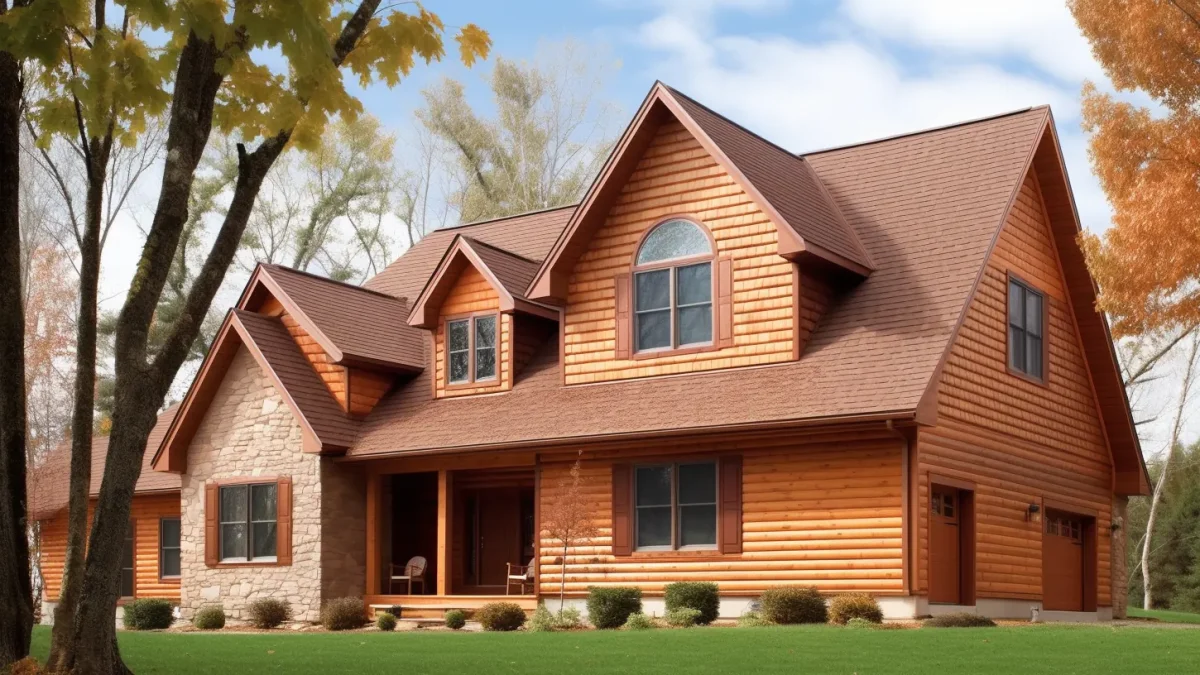
We cover the full scope of exterior siding work in Mather: new siding installation, full siding replacement, and targeted siding repair. That means we don’t stop at the siding panels you see from the street. Proper work includes the weather barrier behind the cladding, the flashing around windows and penetrations, the trim, and any hidden damage waiting underneath. When homeowners ask what separates good siding contractors from the rest, this is it. The visible panels are maybe half the job. The rest is the detailing nobody sees until it fails.
Moisture management is the part homeowners rarely see and the part that decides how long an exterior lasts. When water gets behind panels through a failed seal or missing flashing, it reaches the sheathing and framing, and a cosmetic problem becomes a structural one. Catching and repairing damaged siding early keeps a small fix from turning into expensive wall repair later. Every one of our scopes is built around keeping water out and giving the house a finish you’re proud of. Whether you need new siding on an aging tract home or a careful siding repair on a single wall, the underlying standard never changes.
Each of the siding services below is offered as a standalone project or as part of a larger exterior refresh that also replaces windows. We’ll tell you plainly which path fits your home, and we base that on condition rather than on what’s easiest for us to sell.
Expert Siding Installation (James Hardie Fiber Cement & More)
James Hardie fiber cement is our flagship siding, and our Elite Preferred certification means we install it the way the manufacturer intends. Fiber cement is a dense, engineered material that stands up to heat, moisture, and time far better than many alternatives, and it holds a clean, painted look for years. When people ask us to recommend quality siding for a Central Valley home, Hardie fiber cement siding is usually the first thing we point to, and the expert siding installation behind it, backed by our certification, is the reason that recommendation carries weight.
James Hardie siding is engineered differently from the wood and vinyl products most homeowners grew up with. It resists swelling, cracking, and the insect damage that plagues natural lumber, and it is noncombustible as a material property, which matters anywhere grassland sits near homes. A proper James Hardie fiber cement siding installation also depends on correct fastening, gapping, and finishing, which is precisely what our certification covers. The material is only as good as the hands that put it on the wall. That’s what makes an experienced exterior siding contractor worth the search.
We install the full Hardie line of exterior siding, including:
- Hardie Plank lap siding for the traditional horizontal look most Mather tract homes already wear
- Hardie Panel vertical siding for a more modern, board-style elevation
- Hardie Shingle siding for gable accents and character
- Hardie Artisan lap siding for a thicker, shadow-line profile on homes that want a higher-end look
- Hardie Architectural Panel for clean, contemporary elevations
- Hardie Trim boards and batten to finish corners, windows, and fascia cleanly
- Hardie Soffit panels, vented and non-vented, to complete the eaves and tie the whole exterior together
Many of these come with ColorPlus Technology, James Hardie’s factory-applied finish, which bakes the color onto the board under controlled conditions rather than relying on a field paint job. That matters in a climate with long, bright summers, because a factory finish resists fading better and cuts down on repainting over the life of the siding. When we walk you through siding options during the estimate, finish choice is part of the conversation, not an afterthought.
Being James Hardie Certified isn’t a logo we bought. It’s a manufacturer-granted credential that signals specialized training and adherence to the highest installation standards for fiber cement. For you, that means the protection the material promises is actually delivered on the wall. A poorly installed premium board performs no better than a cheap one, which is why the certified installer matters as much as the product.
Fiber cement isn’t your only option. We also install vinyl siding, classic wood siding, and LP SmartSide engineered wood, so the material can match your home, your maintenance appetite, and your budget. Whatever we install, the goal is the same: a wall that protects the house and improves its curb appeal at once. Good siding should never force you to choose between how your home performs and how it looks.

Siding Replacement & Full Replacement
Full siding replacement makes sense when repair would be chasing problems across an aging exterior rather than solving them. Much of Mather’s housing stock was built in 2000 and 2001, after the former military housing was demolished and 1,271 replacement homes went up. That puts a large share of local homes around 25 years old, which is a point where original sealant, paint, and trim can start reaching the end of their service life together. When several of those elements fail at once, patching one wall only delays the next repair, and a planned full replacement usually delivers better value than a string of small fixes.
That said, age alone doesn’t decide it. We make the call based on condition, not on what’s easier to sell. A complete new siding installation includes tearing off the existing siding, inspecting and repairing the sheathing, installing a fresh weather barrier, new flashing at every opening, new trim, and your chosen finished siding. New siding properly installed also seals the drafts and gaps that let conditioned air escape, so the house holds temperature better through hot summers and cool winters. That improvement in energy efficiency is one of the quieter benefits of a full re-side, and over years of Central Valley energy costs it adds up.
There’s a curb appeal dimension too. A fresh exterior siding package, with crisp trim lines and a consistent factory finish, can change how the whole house reads from the street and give you a crisp looking exterior. Quality vinyl siding, well installed, can add meaningful resale value, up to around $15,490 by national estimates, which is worth weighing against repair costs on an older exterior. Fiber cement typically returns strong value as well, and because it holds its finish longer, the look you pay for stays the look you keep.
Siding Repair, Dry Rot Repair & Rot Repair
Targeted repairs are the right answer when damage is contained: cracked, warped, swollen, or loose panels in one area rather than failure across the whole house. One note worth saying plainly, our 10-year labor warranty requires at least one full wall of work to qualify, so very small patch jobs sit outside it. That’s not a sales tactic. A single replaced board rarely integrates cleanly with the existing weather barrier, and a full wall lets us flash and seal the whole plane the right way.
Cracked siding is more than a cosmetic flaw. A crack is a path for water, and once moisture is behind the panel it reaches the sheathing and sits there. Weather exposure, failed sealant, and pest activity all drive the kind of damage that needs attention, and the longer any of them goes unaddressed, the further the deterioration spreads. On homes from the early 2000s, we often find the trouble starts at a window corner or a trim joint where the original sealant has given up, then travels downward along the framing where you can’t see it.
When we open a wall and find dry rot in the sheathing, we repair or replace the affected material before the new siding goes on, because covering soft wood only hides the problem. Dry rot repair and broader rot repair are a routine part of our process, not an upsell, and timely repair is almost always cheaper than the structural work that follows neglect. If what we find is bigger than a repair, we’ll say so, show you the evidence, and let you decide between a wall repair and a broader siding replacement with full information in hand.
Your Durable Siding Options & Material Choices
Choosing among siding materials comes down to how each one balances durability, maintenance, energy performance, and cost against your local conditions. There’s no single right answer for every house, which is why we walk through the trade-offs instead of pushing one product. We use high quality materials across the board, and here’s how the siding options we install compare:
| Material | Strengths | Trade-offs | Best for |
|---|---|---|---|
| Fiber cement (James Hardie) | Dense, heat- and moisture-tolerant, holds paint, noncombustible as a material | Higher material cost, needs trained installation | Most Mather homes wanting long-term value |
| Insulated vinyl siding | Affordable, low maintenance, added insulation aids energy efficiency | Quality varies widely by product line | Budget-conscious homeowners who want low upkeep |
| Wood siding | Natural, timeless, warm character | The most ongoing upkeep to keep it sealed | Homeowners committed to maintaining a classic look |
| LP SmartSide | Real wood look, better consistency and moisture resistance than lumber | Still an engineered product, not solid wood | A middle path between wood siding and fiber cement |
Fiber cement (James Hardie) is our top recommendation for most Mather homes. It’s a durable siding that tolerates heat and moisture, holds its finish well, and carries a real fire-resistant benefit as a material property, with a Class A fire rating as a noncombustible material. The material costs more up front, but the long-term value tends to be the best of the group.
Insulated vinyl siding is affordable and low maintenance, and the added insulation helps energy efficiency. Because quality varies so much between vinyl products, the specific line matters as much as the category. A cheap panel is a false economy, so when we spec vinyl we spec something built to last.
Wood siding is beautiful, natural, and timeless, with the most ongoing upkeep of the group to keep it sealed and protected. If you love the look of real wood siding and don’t mind the maintenance rhythm, it rewards the effort. If you want the look with less upkeep, that’s where engineered alternatives come in. Some homeowners also ask about brick veneer accents, which can pair with any of these to add texture to an elevation.
LP SmartSide is engineered wood that offers a real wood look with better consistency and moisture resistance than traditional lumber. It often lands as a sensible middle ground for homeowners torn between natural wood siding and fiber cement siding.
The right material for your house depends on your home’s exposure, Mather’s climate, and the specifics of how it will be installed. We walk through all of it during the free inspection, and you can read more on our main siding service page.

Window Replacement Alongside Siding to Boost Your Home’s Energy Efficiency
Replacing windows while the siding is off is the single best time to do it, because the wall is already open and the flashing can be integrated correctly behind the new cladding. We install trusted brands including Milgard, Andersen, Anlin, Alside, Amsco, Lindsay, Plygem, Marvin, and Pella, with popular lines like the Milgard Trinsic, the Andersen 100 Series, and the Anlin Catalina among the options we fit regularly.
Pairing new windows with new siding also compounds the gains for your home’s energy efficiency. A tight window install behind well-flashed exterior siding closes two of the biggest air-leak paths in a wall at the same time, so the house holds conditioned air better through both Central Valley summers and winter cold snaps. Doing both at once also keeps your permitting clean. The county’s Building Permits & Inspection Division lists both siding and replacement windows as permit-required work, so pairing them means one coordinated permit and inspection effort rather than two. The result is a tighter weather seal at every opening and a finished look where siding and windows meet the way they should.
Why Mather Homeowners Choose Pro Superior Construction
Homeowners choose us because we lead with proof, not promises. Before we talk about siding colors or window styles, here’s what you can verify about us:
- Fully licensed and insured, CSLB License #986607
- Elite Preferred James Hardie Certified Installation Company
- Family owned, founded in 2013, with more than 10 years of siding and window experience
- BBB A+ accredited
- 10-year labor warranty on our installation work
When you’re vetting any siding contractor, those are exactly the things to check. Verify the CSLB license through the state board. Ask for proof of general liability insurance and workers’ compensation, which we’re glad to provide. Ask about both material and workmanship warranties, since the two protect different things. Ask for recent project examples and read recent Google reviews to gauge how a company actually performs. The reviews homeowners leave tend to describe the same things: an amazing job, excellent customer service, a crew that was incredibly respectful on site, and quality workmanship that held up. We invite all of that scrutiny because we hold up to it. The siding contractors worth hiring are the ones who welcome the questions rather than deflecting them.
One thing worth knowing about warranties: many contractors offer a workmanship warranty that lasts just one year. Ours runs ten. If anything happens with our work in that window, we come back and repair it. That’s a direct statement about how long we expect our installations to perform, and it’s part of the comprehensive warranties we stand behind. It also lines up with the material itself, because James Hardie fiber cement is built to last decades, and a one-year labor warranty behind a decades-long product never made much sense to us.
Our James Hardie certification deserves a second mention here, because it’s genuinely rare. Elite Preferred is the manufacturer’s top installation tier, and it’s granted, not purchased. It signals that our crews are trained specifically on Hardie fiber cement siding and Hardie board siding products, follow the manufacturer’s installation specifications, and meet the standards James Hardie holds its own name to. For you, that means the warranty, the performance, and the look of your James Hardie siding all rest on a proper install rather than on hope.
We’re a family-owned company, and the relationship with our clients is genuinely what sets us apart. You won’t be handed off to a call center or treated like a ticket number. Every job gets a dedicated project manager who keeps you informed and a crew that’s detail oriented from the first course of siding to the final trim. We’re also a multifamily commercial contractor, and we bring that up for one reason: the capacity, discipline, and standards it takes to run large, complex jobs carry straight into every single home we work on. A family that treats your house like its own, backed by the muscle to handle serious projects, is a rare combination, and it’s why so much of our work earns a reputation for outstanding work and an excellent job done right.
On price, we’ll be straight with you, because transparent pricing is part of how we earn trust. We’re not the cheapest, and we don’t pretend to be. We compete on craftsmanship, certification, and honest value, and we keep our pricing competitive and fair because fairness matters to us. Every estimate we hand you breaks the job into its parts with upfront pricing so you can see exactly what you’re paying for and know you’re getting a fair price, and financing options are available if spreading the cost makes the project easier to say yes to. The brand belief we hold is simple: honest, quality work over quick turnarounds. To us, the job isn’t done until you’re satisfied.
Ready to talk specifics? Reach out through our contact page or call (916) 474-4483 for a free, no-obligation estimate.
How Our Mather Siding Process Works
Our process is a straightforward path from your first call to the final inspection, built so you always know what’s happening and why. We don’t rush it, because rushing is how corners get cut. Here’s how a typical Mather siding project moves:
- 1. Free siding estimate and inspection. A contractor comes to your home, assesses the siding, trim, flashing, and any visible trouble spots, and then gives you a detailed written estimate. A good estimate outlines every part of the job, including material, scope, cleanup, and the warranties that apply, so there are no surprises later. This free consultation is also where we talk through your siding options and which material fits your goals.
- 2. Material and design selection. We help you choose the siding material, profile, and color that fit your home, your maintenance preferences, and Mather’s climate. Because Central Valley summers are hot and dry and the rain arrives in winter, we steer you toward durable siding and finishes built to hold up to both. If curb appeal is a priority, this is where we match a profile and a factory color to the look you’re after and the way it will improve curb appeal.
- 3. Permits. We prepare and submit the permit for you. Building permit applications and plans in the county are submitted electronically through the county permit portal, and we handle that filing along with any design-review questions tied to your specific parcel.
- 4. Installation. Our crews remove the old siding, inspect the sheathing, install the weather barrier and flashing, and set the new siding and trim across the entire project. Proper moisture management runs through every step, because that’s what makes the wall last. For a James Hardie fiber cement installation, we follow the fastening and gapping specifications our certification requires rather than improvising on the wall.
- 5. Inspections and final walkthrough. Regulated work is inspected before it’s covered, and we schedule each inspection the job requires. We don’t consider the project finished until it passes and you’re satisfied with it.
On inspections, the county is specific but flexible. It lists window flashing as inspection code 122 and the structural final as code 199, while stating clearly that the required sequence depends on the project’s scope. That’s why we won’t promise a canned one-inspection-and-done process; the right checkpoints depend on your actual work. When scheduling matters, next-day inspections may be available if requested by 5 p.m. on the preceding day, subject to the county’s availability.
One thing we commit to in writing: if we find concealed damage once the old siding is off, dry rot in the sheathing, a hidden flashing gap, soft framing, we document it, show it to you, and discuss it before any additional work proceeds. You decide with full information, never after the fact. That transparency is the whole point. The worst contractor surprises are the ones that land on your bill after the wall is already closed, and we refuse to work that way. Because our office serves Mather from outside the immediate area, we also use siding materials chosen for Central Valley conditions rather than whatever is quickest to source.
Siding in Mather: Neighborhoods, Climate & Local Requirements
Good siding work in Mather depends on knowing the local housing, the permit authority, and the weather the walls have to survive. Here’s the substance that shapes how we approach a project here.
Independence at Mather & Local Housing Stock
Most single-family homes in Mather sit in Independence at Mather, the 1,271-home community located south of the airport runway. It’s worth being precise about its history: this is not preserved mid-century military housing. The former military units were demolished, and the 1,271 replacement homes were built in 2000 and 2001. So the homes here are early-2000s tract construction, now roughly a quarter century old.
That age is a reason to inspect, not a reason to assume failure. Plenty of these homes still have sound siding. But 25 years is long enough that sealant, paint, trim, and flashing deserve a careful look, which is why we inspect before recommending anything. In practice, a home from this era is often a strong candidate for either a focused siding repair on the walls that face the worst sun exposure, or a full siding replacement if the original cladding is a builder-grade product nearing the end of its run. We tell you which, and why.
Mather’s homes also vary more than people expect. Recent listings range from around 1,021 square feet to about 2,857 square feet, meaning the community holds both compact single-story homes and larger two-story elevations. A two-story home needs more staging, more access planning, and more careful scaffolding than a modest single-story, which is exactly why a property-specific inspection beats any generic quote. The amount of exterior siding on a 2,857-square-foot two-story is a different job from a 1,021-square-foot single-story, and the estimate should reflect that reality rather than a per-house average. You’ll see the neighborhood on streets like Monhegan Way, Aubergine Way, Woolwich Way, Narragansett Way, Ivoryton Way, Middlebury Way, and Stromford Way, and we plan each job around the particular house, not a template.
Permits & Special Planning Area Design Review
Because Mather is an unincorporated census-designated community, your permits are handled by the county’s Building Permits & Inspection Division, not a Mather city building department. There’s no city hall to visit for this; it’s a county process, and we manage it for you.
The division lists both siding and stucco work and replacement windows as permit-required. So yes, re-siding your Mather home needs a permit, and so do new windows. For residential alterations that go to plan review, the county’s submittal requirements can include scaled drawings, elevations, scope details, and structural information where applicable. We assemble what your scope calls for, so you’re not deciphering a submittal checklist on your own.
There’s one more local layer. Mather Field is governed by a Special Planning Area with design guidelines and a design-review process for new construction and certain exterior improvements within mapped areas. This is a real Mather distinction, but it does not mean every like-for-like siding replacement triggers design review. Whether it applies to your project depends on your specific parcel and scope, and we check that for you rather than assuming either way. If your plan changes the look of the home substantially, say a shift from stucco to fiber cement siding with a new profile, that’s exactly the kind of detail worth confirming early.
A final caveat worth knowing before you plan a major change: if a project removes at least 50% of the linear wall length, or alters more than 50% of the building area, the county may process it as new construction, which brings heavier code and permitting treatment. For most straightforward re-siding jobs that threshold isn’t reached, but we flag it early when a scope approaches it so there are no mid-project surprises.
Climate, Terrain & Material Selection for Mather Homes
Mather’s climate is a Central Valley pattern: hot, dry summers and rainfall concentrated in winter, based on nearby 1991 to 2020 weather normals. That pattern drives two practical decisions about your siding.
First, finishes take a beating from summer sun. Long stretches of intense UV and heat fade paint and stress sealant, so we favor durable, low maintenance siding materials and factory-applied finishes built to hold their color. Fiber cement handles this especially well, and a factory finish like ColorPlus is engineered to resist exactly this kind of UV fade. That’s a big part of why Hardie fiber cement siding performs so well in valley heat and why it tends to look newer, longer, than a field-painted exterior. Second, the walls have to be ready before the rain arrives. We prioritize careful flashing and weather-barrier detailing so that when winter storms hit, water is directed off the house rather than into it. We also avoid blanket promises about installation dates during wet weather, because materials like paint and sealant need the right conditions to cure properly.
Terrain matters at the base of the wall. The wider Mather area includes altered drainage channels, Morrison Creek, and Mather Lake, alongside grasslands and vernal-pool terrain, and Mather Regional Park holds the lake, an 18-hole golf course, wetlands, and vernal pools. Your home is in a developed tract, not sitting in a wetland, but altered drainage and landscaping can still push moisture toward lower walls. We check clearance between siding and soil, paving, and plantings so the bottom courses stay dry and sound. Fiber cement is more forgiving than wood siding at the base of a wall because it doesn’t wick and swell the way lumber does, which is one more reason it suits homes near these low, moisture-prone edges.
On fire, let’s be accurate. Mather includes open grassland, and fire-resistant siding like fiber cement is a genuine material benefit worth considering. James Hardie fiber cement is noncombustible as a material and carries a Class A fire rating, which is meaningful anywhere dry grass sits close to homes in late summer. We won’t claim every Mather property falls under Wildland-Urban Interface requirements, because that’s a parcel-level determination. If fire-resistant cladding fits your situation, it protects the home without compromising on the look you want. (A local orientation note: Zinfandel Drive south of Douglas Road was renamed Eagles Nest Road, and some navigation systems still show the old name, which occasionally matters when our crews route to a job.)
Frequently Asked Questions
Do I need a permit to replace siding on my Mather home?
Yes. The county’s Building Permits & Inspection Division lists both siding and stucco work and replacement windows as permit-required, and because Mather is unincorporated, that permit goes through the county rather than a Mather city department. We confirm the exact requirements for your specific property and handle the application for you, so you don’t have to navigate the portal yourself. This is included in how we run a siding project here, not a separate errand we hand back to you.
What is the average cost to put siding on a house, and how much for 1000 sq ft?
Can you repair one wall, or does all the siding need replacing?
What might you find behind original siding on a home built around 2000?
Is fiber cement siding worth it compared to vinyl or wood?
How long does a siding project take in Mather?
How do I verify your license and James Hardie certification?
Get Your Free Siding Estimate in Mather with Transparent Pricing
When you’re ready, the next step is easy and carries no pressure. Call us at (916) 474-4483 or request one of our free siding estimates online through our contact page.
A contractor will come out, inspect your home, and assess exactly what it needs, then put it all in a detailed written estimate that spells out the scope, materials, cleanup, and the warranties that come with the work. You’ll see transparent pricing broken into its parts, so you understand what each piece of the job costs and why. No obligation, no hard sell. If the numbers and the plan feel right, we go from there. If they don’t, you’ve lost nothing but an afternoon and gained a clear picture of your home’s exterior.
Whether you’re weighing a James Hardie fiber cement upgrade, a straightforward siding repair, or new windows to pair with new siding, we’ll give you an honest read on what your home actually needs. We serve Mather along with the Bay Area and the surrounding Northern California communities, including nearby Fair Oaks and Elk Grove, and we work across both Placer County and El Dorado County. Every home gets the same certified crews, the same family-owned attention, and the same 10-year labor warranty behind the work. Your home will be in good hands.
Call (916) 474-4483 or request your free Mather siding estimate today.


