James Hardie Siding Colo...
- Mon to Fri: 09:00 am to 07:00 pm
Key Takeaway
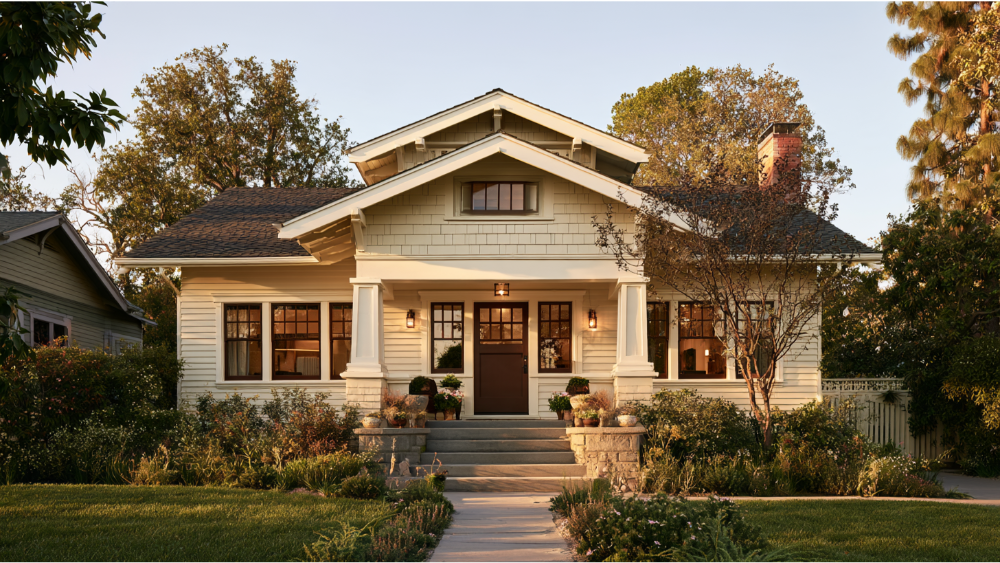
Clapboard siding is a horizontal, overlapping board profile where each tapered board sheds rain down the wall, available today in wood, fiber cement, vinyl, and engineered wood. Fiber cement options like Hardie Plank stay dimensionally stable, resist rot and insects, and require repainting only every 15 or more years. Wood clapboard demands repainting or restaining every 5 to 7 years. The material you choose determines fire performance, maintenance load, and warranty coverage.
Clapboard siding is long, thin horizontal boards installed in overlapping courses so rain sheds down and away from the wall. Traditionally those boards were tapered wood, thin at the top edge and thicker at the bottom. Today the same classic profile comes in fiber cement, vinyl, and engineered wood. Here is what to know about the materials and the installation before you choose.
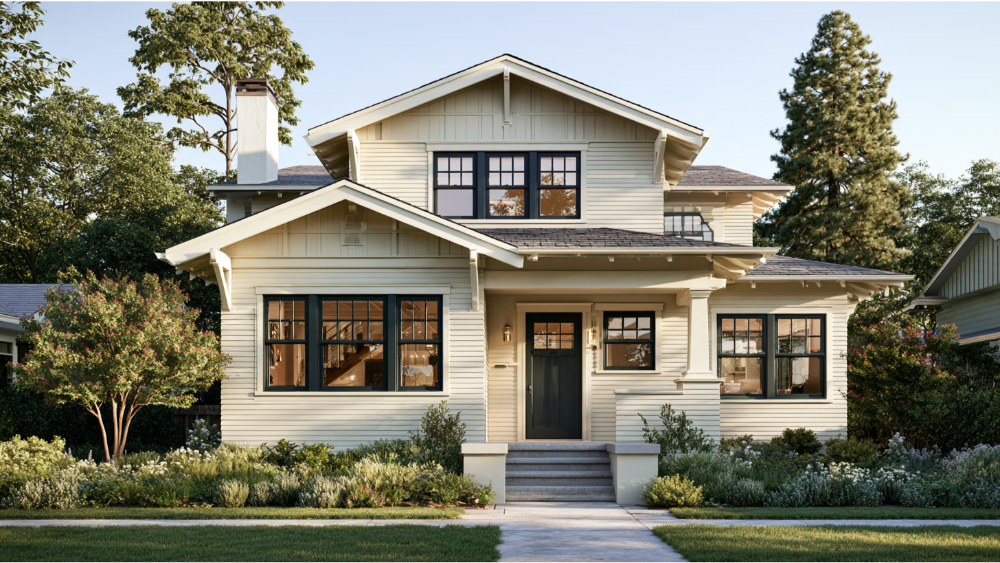
Clapboard siding describes a profile and an installation method, not one product. Each board has a thin upper edge and a thicker butt edge, and every course laps over the one below. That stepped arrangement, with each board overlapping the one beneath it, creates the horizontal shadow lines you see on colonial homes, farmhouses, cottages, and craftsman bungalows. Early builders in New England split and shaved local species such as pine and spruce into thin boards, and clapboards were sometimes applied over log and timber walls to shed weather. The National Park Service notes that lap siding appeared on American buildings from the 18th through the 20th centuries, with exposure shifting across periods and styles. Homeowners can get that classic appeal today in wood, fiber cement, vinyl, or engineered wood.
These terms get swapped around constantly, so here is the plain version.
| Term | What it means |
|---|---|
| Lap siding | Any horizontal, overlapping siding |
| Clapboard | The tapered, bevel-style board in that family |
| Bevel siding | Trade term for tapered wood clapboards |
| Weatherboard | Regional and international term for the same thing |
| Dutch lap | A grooved profile with a deeper shadow line |
Suppliers and contractors often use clapboard siding and lap siding interchangeably, so confirm the exact profile and reveal before you sign anything.
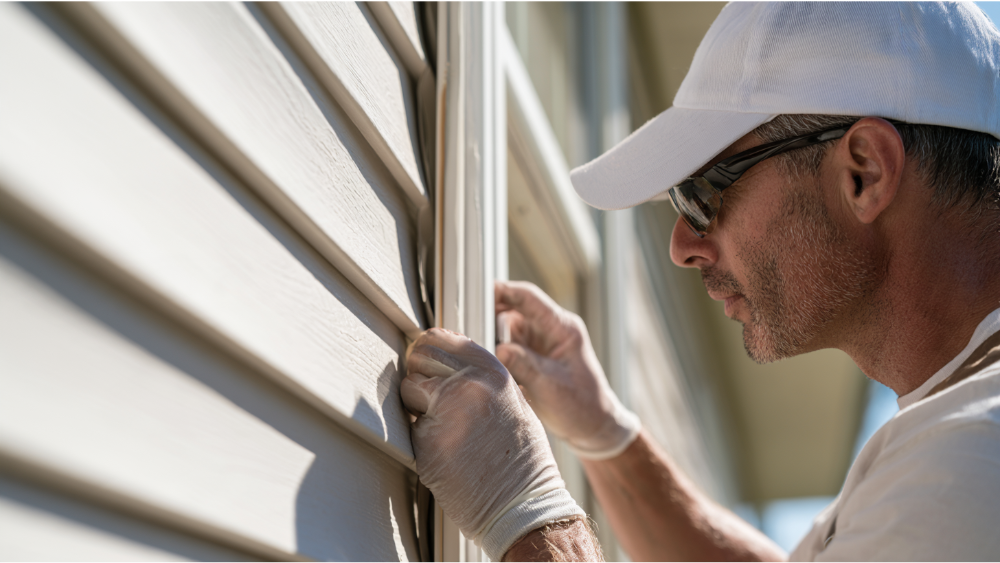
Two things do the work: the overlap, and the exposure, meaning the visible face of each board once the next course covers its top. Water hits the surface, runs down, and drips off the butt edge instead of sneaking behind.
But clapboard siding only sheds bulk water; on its own it cannot protect the wall behind it. The 2024 International Residential Code generally calls for an approved water-resistive barrier behind cladding, plus flashing at windows, doors, and roof-wall intersections. Minimum overlap runs about 1 inch for horizontal wood siding and about 1¼ inches for qualifying fiber cement lap siding, and local amendments vary. A well-detailed assembly also controls air movement, which is where energy efficiency shows up on your heating bill.
The material, not the word “clapboard,” determines fire performance, upkeep, durability, and what warranty you get. All four materials below come in clapboard profiles, get installed over the same kind of wall assembly, and suit different budgets and architectural styles.
| Material | Look | Maintenance | Moisture and movement | Fire |
|---|---|---|---|---|
| Wood clapboard (cedar, redwood) | True grain, authentic proportions | Highest: repaint or restain, watch for rot | Can cup or warp | Combustible |
| Fiber cement clapboard (Hardie® Plank) | Crisp painted-wood proportions | Low: repaint typically at 15+ years | Stable; clearances required | Complies with ASTM E136 as noncombustible cladding |
| Vinyl clapboard | Molded panels, several courses each | Low maintenance: periodic washing | Expands and contracts in heat | Combustible, heat-sensitive |
| Engineered wood clapboard (LP SmartSide) | Treated boards, smooth or textured | Moderate: keep the finish intact | Needs careful detailing at cuts | Combustible |
For context, vinyl siding led principal exterior wall materials on 2025 single-family starts at 27.7%, with fiber cement siding at 22.6% (NAHB analysis of Census data). That share spans all profiles and all buildings, not clapboard siding specifically.
Traditional wood clapboard was often radially or quarter sawn, which gives more stable grain and less cupping. Natural cedar and redwood bring warmth and real grain that painted substitutes approximate rather than copy. USDA Forest Products Laboratory guidance points to back-priming, priming cut ends, and corrosion-resistant fasteners as the details that decide how long wood siding lasts.
Fiber cement clapboard keeps classic painted-wood proportions and stays dimensionally stable, so it suits everything from cottages to large farmhouses. Its durability comes from a cement and cellulose makeup that does not feed rot, termites, or other insects, and it is easier to maintain than wood. Vinyl clapboard siding sits at the low maintenance end and remains a popular choice, though it moves with temperature.
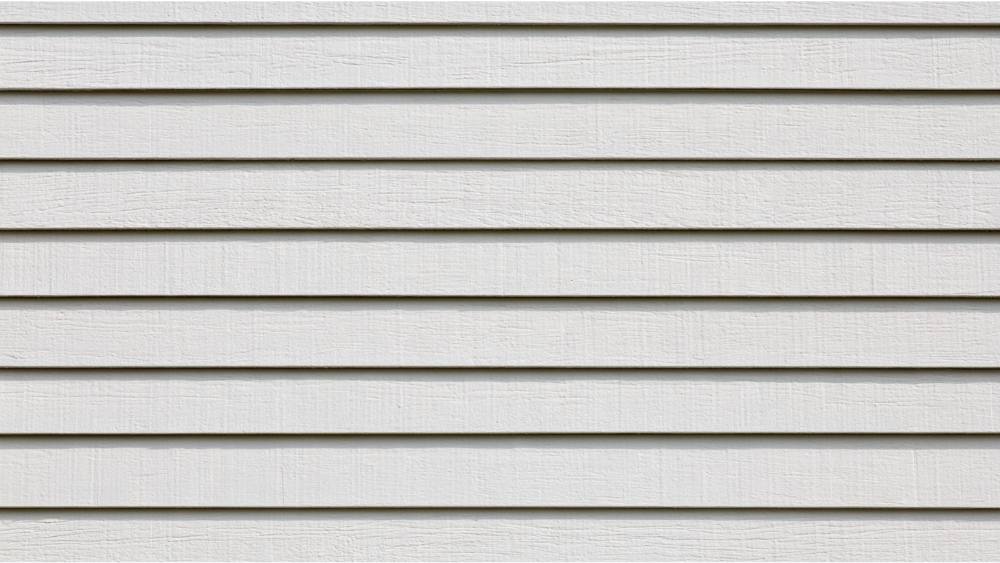
Narrow reveals look traditional and make a home read taller, which suits cottages and colonials. Wider reveals feel calmer, which newer styles carry well. The National Park Service points out that historic clapboards were usually smooth-planed, so embossed woodgrain is not automatically more authentic. Factory-finished color, like ColorPlus® Technology, takes field painting off your plate.
You don’t need to hang siding yourself. You do need to know what to ask.
Product specifics matter. James Hardie guidance calls for a field-made 1¼-inch starter strip, 6-inch butt-joint flashing lapping the course below, and joints staggered at least two stud bays. Vinyl clapboard requires extra expansion clearance when it goes up in cold weather, with fasteners no more than 16 inches apart, and nailing it tight is a mistake that leads to buckling.
Manufacturer instructions and local code both govern the job, and warranty coverage usually depends on following them. Certified installers are held to the manufacturer’s standard, not just their own habits. Pro Superior Construction is an Elite Preferred James Hardie Certified Installation Company, family owned since 2013, CSLB #986607.
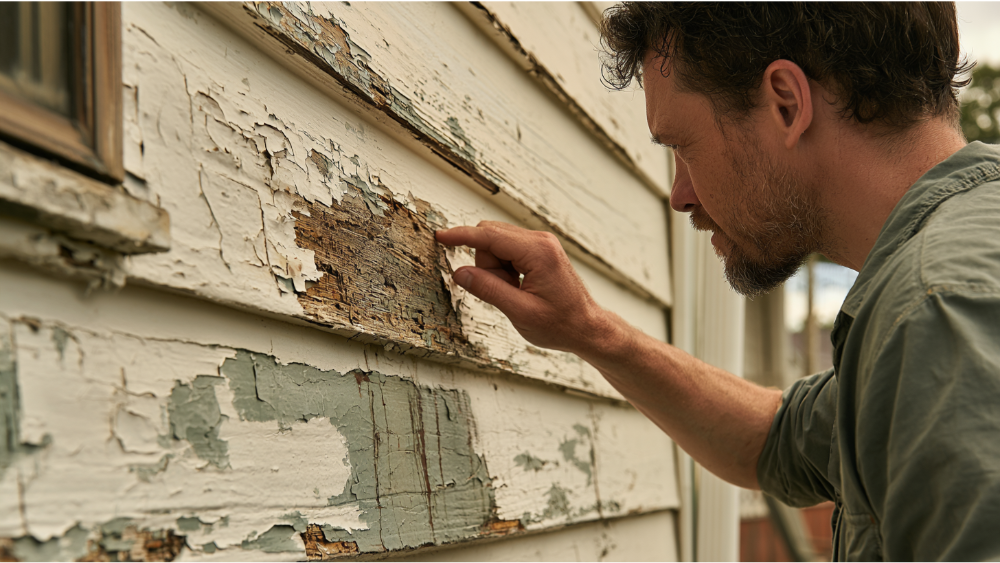
How you maintain clapboard siding depends almost entirely on which of the materials you choose, and most homeowners weigh that upkeep as heavily as the upfront cost.
USDA guidance says properly applied paint on a suitable wood substrate should give at least 10 years of service. Upkeep is part of the real cost of any clapboard siding, and peeling paint is often an early signal of flashing or drainage trouble that turns into water damage.
A few damaged boards over a sound wall can often be repaired without replacing the whole run of clapboard siding. Widespread rot, cupping, repeated paint failure, or damage reaching the sheathing points toward replacement. Our repair work requires at least one full wall to qualify for warranty coverage.
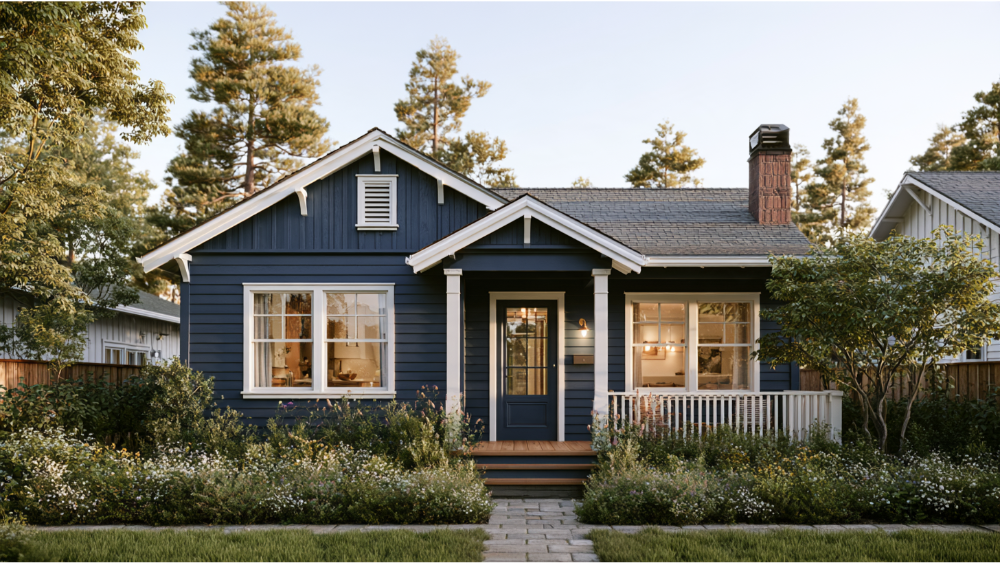
The National Park Service recommends repairing character-defining material on historic buildings before replacing it, and matching width, thickness, profile, exposure, and texture when replacement is necessary. Separately, homes built before 1978 are more likely to have lead-based paint, and cutting or sanding painted siding can create hazardous dust covered by the federal RRP rule.
That depends on the material, not the profile. No siding makes a house fireproof. Wood is combustible and vinyl can soften or ignite under heat. Fiber cement clapboard can be noncombustible: Hardie® siding complies with ASTM E136, though applied coatings can still char. FEMA recommends noncombustible or ignition-resistant siding for buildings in wildfire-prone conditions. Homeowners should check local Wildland-Urban Interface (WUI) requirements, which vary, and we install ignition-resistant siding built to meet WUI standards where they apply.
Siding is the exterior cladding on buildings. Clapboard siding is one horizontal, overlapping profile within that family.
Yes, widely, on new buildings and on replacements, in fiber cement, vinyl, engineered wood, and natural wood.
Cost depends on material, wall area, the condition of the existing wall, removal of the old siding, and trim detailing. A free, no-obligation estimate is the only way to get a real number.
The name traces to the old practice of splitting or cleaving boards. Weatherboard is the equivalent term in other countries.
Pro Superior Construction has been family owned since 2013, fully licensed and insured under CSLB #986607, and an Elite Preferred James Hardie Certified Installation Company. Our work spans single-family homes to large multifamily buildings. Request a free, no-obligation estimate and a contractor will inspect your home, talk through materials, and assess exactly what it needs. Call (916) 474-4483 or use the form on our site.
