Your Guide for the Best ...
- Mon to Fri: 09:00 am to 07:00 pm
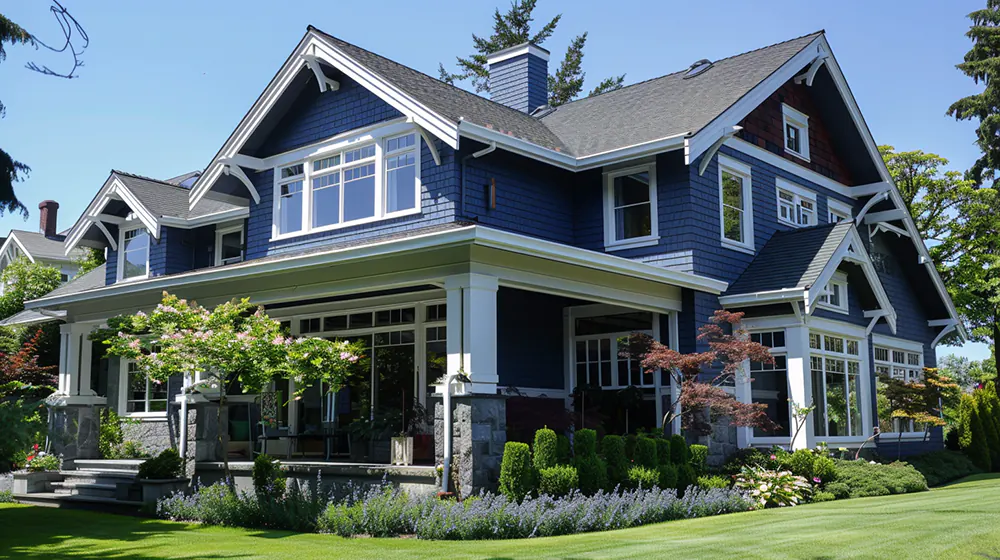
Choosing siding isn’t just about finding a color that looks good on your house. The type of siding you install can affect your home’s appearance, maintenance requirements, durability, weather resistance, fire performance, and long-term cost. With so many siding materials available in 2026, homeowners often ask the same question: What is the best type of siding for a house?
The answer depends on where you live, your budget, the architectural style of your home, how much maintenance you want, and which features matter most to you. For Northern California homeowners, those considerations can also include intense sun, seasonal rain, wildfire exposure, and local building requirements. Below, we’ll compare 9 popular types of siding, their advantages and disadvantages, and which homes they’re best suited for.
The most popular types of house siding available today include:
Each material has different strengths, costs, maintenance requirements, and design possibilities. Let’s compare them.
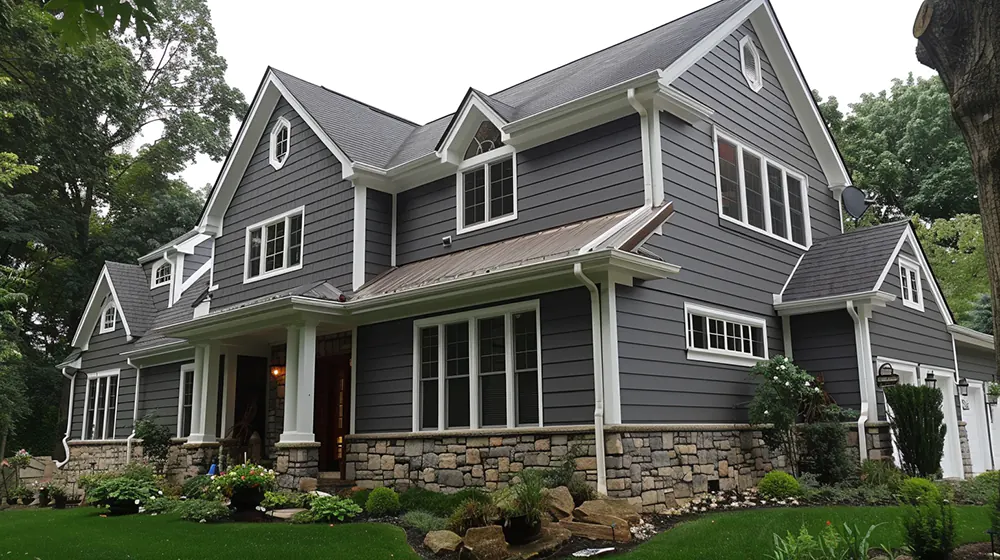
Fiber cement siding is one of the most versatile exterior siding options available today. It’s manufactured from a mixture typically containing cement, sand, and cellulose fibers. Homeowners often choose fiber cement siding because it combines durability with a wide variety of architectural styles and finishes.
Advantages of Fiber Cement Siding
Disadvantages
Fiber cement is heavier than materials such as vinyl and generally requires professional installation. It can also cost more initially than basic vinyl siding.
Best For
Homeowners looking for a balance of durability, appearance, fire resistance, and relatively low maintenance.
James Hardie is one of the best-known manufacturers of fiber cement siding. Its HardiePlank® lap siding has become a popular alternative to traditional wood siding. Hardiplank siding provides the architectural appearance many homeowners want while offering the advantages of fiber cement construction.
Advantages of James Hardie Siding
Best For
Homeowners who want premium fiber cement siding with an established product line and a wide selection of styles.
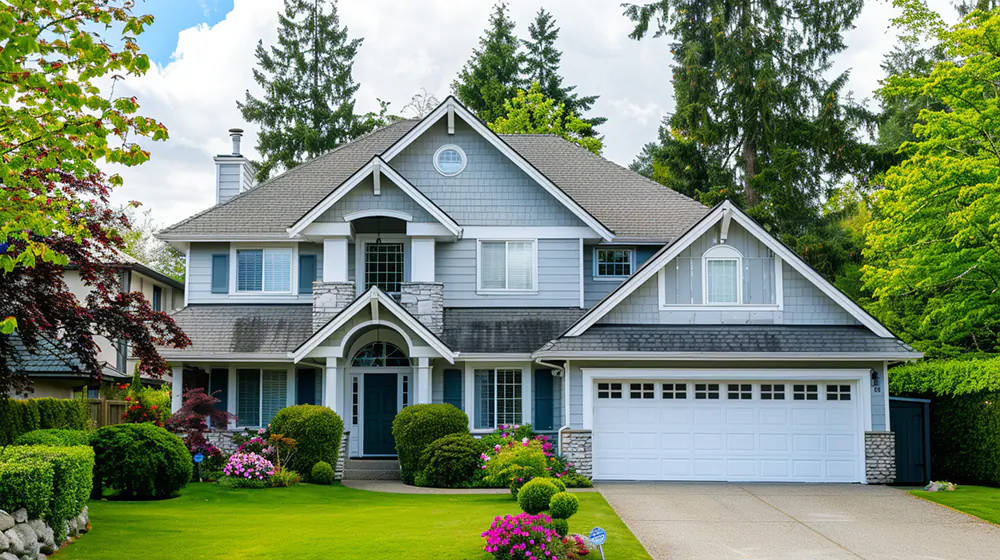
Vinyl Siding remains one of the most recognizable siding options in the United States. It’s available in numerous colors, profiles, and textures and generally requires relatively little routine maintenance.
Advantages of Vinyl Siding
Disadvantages
Vinyl can be damaged by impact or extreme heat and doesn’t provide the same fire performance as noncombustible siding materials.
Best For
Homeowners prioritizing affordability and low maintenance.
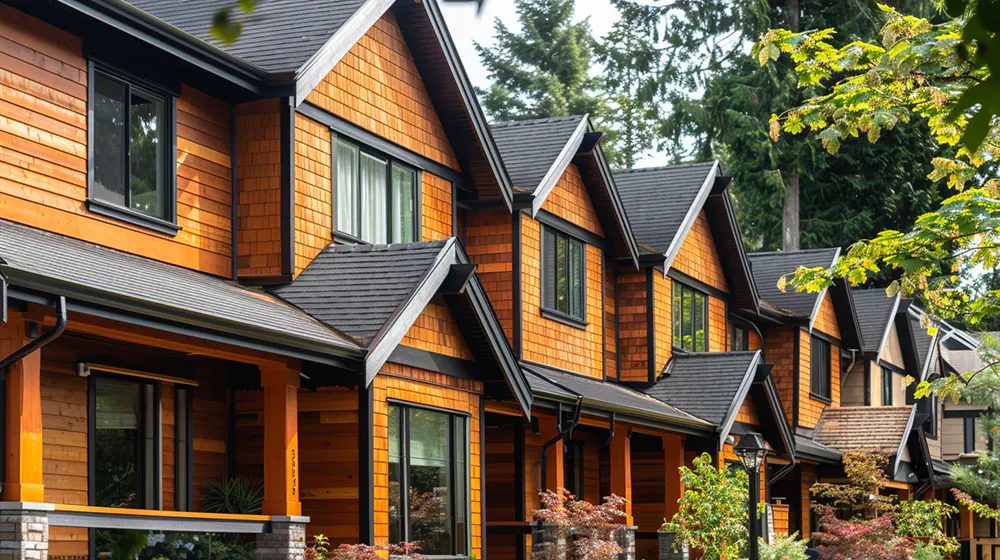
Few exterior materials can completely replicate the natural character of real Wood Siding. Wood can create a traditional, rustic, Craftsman, or contemporary appearance depending on the species, profile, stain, and installation style. Common options include cedar, redwood, board-and-batten, shingles, and horizontal lap siding.
Advantages of Wood Siding
Disadvantages
Wood typically requires more maintenance than vinyl or fiber cement. Moisture, insects, rot, and fire exposure are also important considerations.
Best For
Homeowners who prioritize natural beauty and architectural authenticity and are comfortable with additional maintenance.
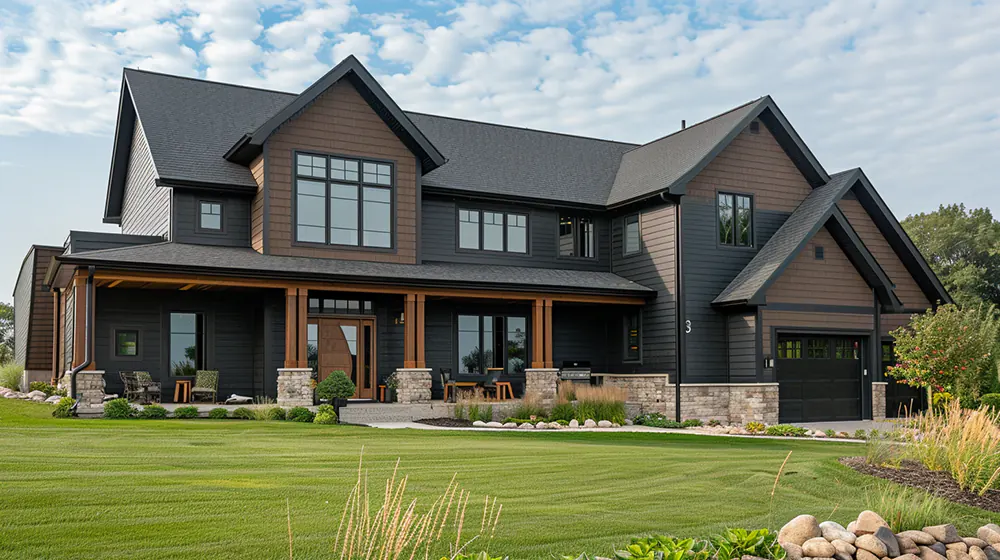
Engineered wood provides the appearance of traditional wood while using manufactured wood products designed to improve durability and consistency. One popular option is LP SmartSide Siding.
Advantages of Engineered Wood Siding
Disadvantages
Proper installation and moisture management remain important, and homeowners should compare product-specific performance and warranty requirements.
Best For
Homeowners who like the appearance of wood but want an engineered alternative to traditional wood siding.
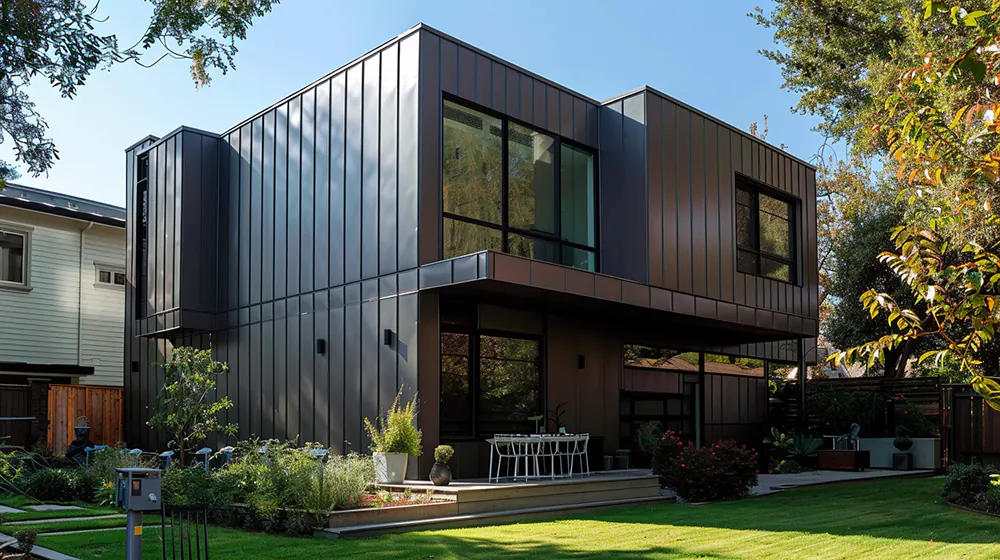
Metal siding is typically manufactured from steel or aluminum and has become increasingly popular on both modern and traditional homes. Depending on the profile and finish, metal siding can create anything from a contemporary architectural appearance to a farmhouse-inspired exterior.
Advantages of Metal Siding
Disadvantages
Metal siding can cost more than entry-level vinyl and may dent depending on the material and product.
Best For
Homes where durability, low maintenance, modern design, or fire resistance are priorities.
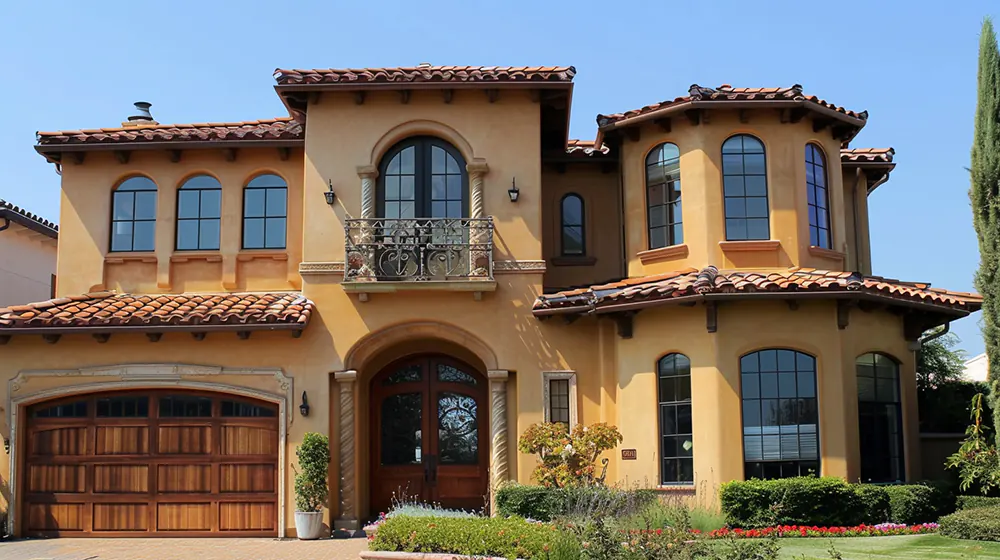
Stucco has long been associated with California architecture and remains common throughout the state. Traditional stucco uses a cement-based mixture applied over a prepared exterior wall system.
Advantages of Stucco
Disadvantages
Cracking can occur, and proper installation and moisture management are critical.
Best For
California homeowners who want a traditional stucco appearance that complements the architecture of their home.
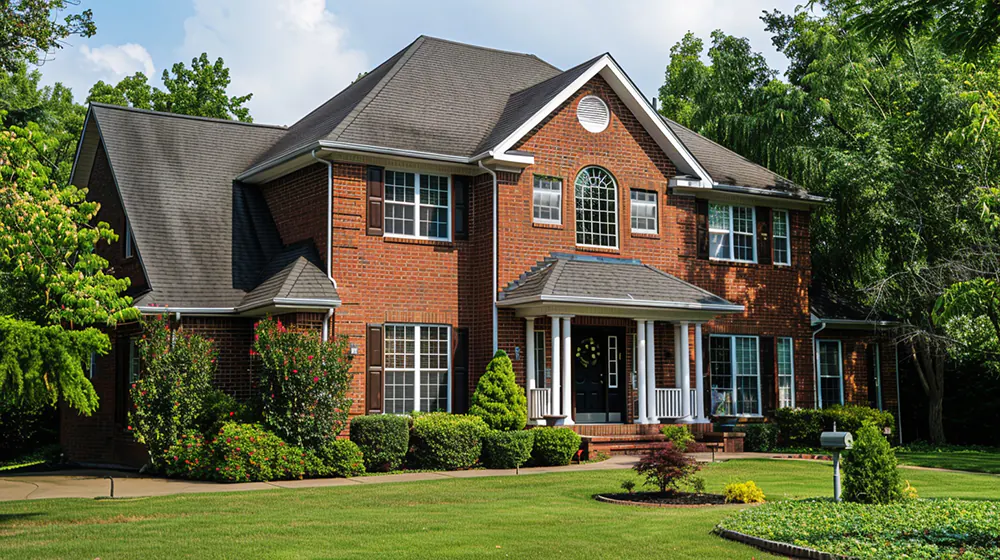
Brick is one of the most durable and recognizable exterior building materials. Full brick and brick veneer can both create a traditional, substantial appearance while providing excellent resistance to weather, pests, and fire.
Advantages of Brick
Disadvantages
Brick is heavier and typically more expensive than siding materials such as vinyl. Structural and installation requirements can also make retrofits more complicated.
Best For
Homeowners prioritizing longevity, traditional appearance, and minimal routine maintenance.
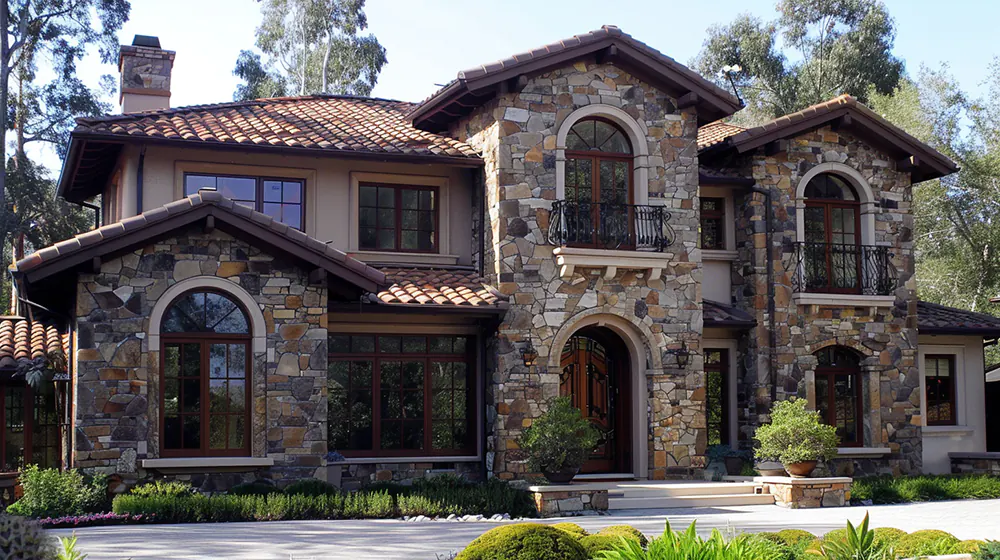
Natural stone provides a premium appearance and exceptional durability, while manufactured stone veneer can create a similar architectural effect with less weight. Stone is often combined with fiber cement, stucco, or other siding materials rather than installed across the entire exterior.
Advantages of Stone Siding
Disadvantages
Natural stone can be expensive and labor-intensive to install. Even stone veneer requires proper detailing and moisture management.
Best For
Homeowners looking for a high-end exterior finish, particularly for entryways, columns, foundations, and architectural accent areas.
Fire resistance is becoming an increasingly important consideration for homeowners in wildfire-prone parts of Northern California.
Noncombustible siding materials include options such as:
However, siding is only one component of a home’s overall wildfire resistance. Installation details, vents, windows, roofing, decks, vegetation, and surrounding conditions also matter. If your property is located in or near a Wildland Urban Interface (WUI) area, learn more about our Fire Resistant Siding options.
There isn’t one siding material that’s best for every house. However, for many homeowners in 2026, fiber cement siding is one of the strongest all-around choices because it combines durability, design flexibility, relatively low maintenance, resistance to pests and rot, and noncombustible construction. Here’s a simple way to compare your options:
For Northern California homes where wildfire exposure is an important consideration, noncombustible materials such as fiber cement, metal, brick, stone, and stucco deserve particular consideration. The right choice ultimately depends on your property and priorities.
Before choosing siding based solely on appearance or price, consider:
An experienced siding contractor can help you compare these factors before making a final decision.
Even the best siding material won’t perform as intended if it isn’t installed correctly. Professional siding installation helps ensure proper preparation, flashing, moisture management, alignment, fastening, trim, and finishing. If your existing exterior is damaged, deteriorating, or reaching the end of its useful life, siding replacement can also provide an opportunity to upgrade to a more durable siding material.
Pro Superior Construction proudly serves the majority of Northern California, including the Greater Sacramento Area and the San Francisco Bay Area. Homeowners can learn more about working with a siding contractor in Sacramento or our siding contractor in San Francisco. You can also see what our clients are saying on Google.
Homeowners can learn more about working with a siding contractor in Sacramento or our siding contractor in San Francisco. You can also see what our clients are saying on Google.
With so many types of siding available, the best choice isn’t always obvious. Pro Superior Construction can evaluate your existing exterior, discuss your goals, and help you compare siding materials for your Northern California home.
Whether you’re considering fiber cement, James Hardie, vinyl, wood, engineered wood, or another exterior siding option, start with a professional estimate. Call Pro Superior Construction at (916) 474-4483 or book your free siding estimate online.
Popular options include fiber cement, vinyl, wood, engineered wood, metal, stucco, brick, stone, and composite siding. The best material depends on your home’s location, architectural style, budget, maintenance preferences, and performance requirements.
For many homeowners, fiber cement is one of the best all-around siding options because it combines durability, design flexibility, lower maintenance requirements, and noncombustible construction. However, there isn’t one material that’s best for every home.
Brick, stone, properly maintained fiber cement, and some metal siding systems can provide very long service lives. Actual longevity depends heavily on product quality, installation, climate, exposure, and maintenance.
Fiber cement is a strong option for many Northern California homes because of its durability, appearance, and noncombustible construction. However, the best siding can vary significantly between Sacramento, the Bay Area, coastal communities, and wildfire-prone locations.
Vinyl, fiber cement, metal, brick, and stone generally require less routine maintenance than traditional wood siding, although every exterior material requires some inspection and upkeep.
Noncombustible materials such as fiber cement, metal, brick, stone, and cement-based stucco are worth considering for homes where wildfire exposure is a concern. The entire exterior assembly and applicable local requirements should also be considered.